| OCR Text |
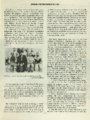
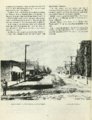
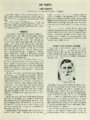
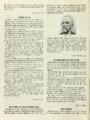
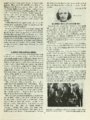
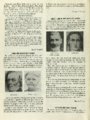
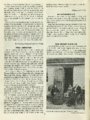
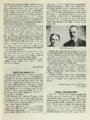
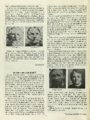
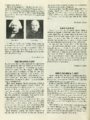
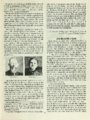
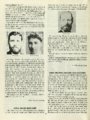
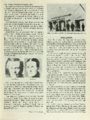
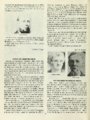
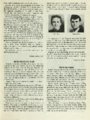
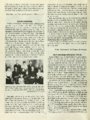
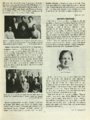
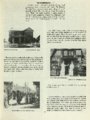
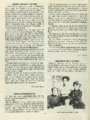
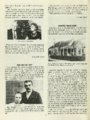
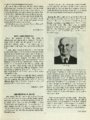
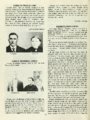
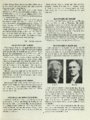
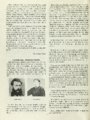
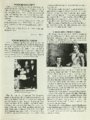
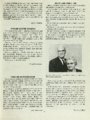
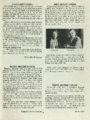
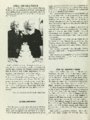
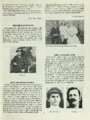
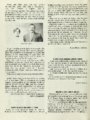
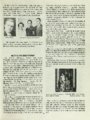
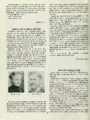
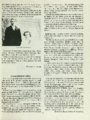
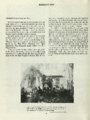
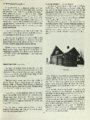
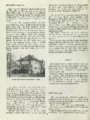
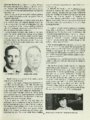
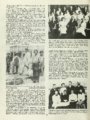
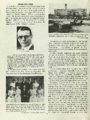
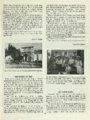
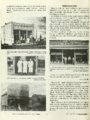
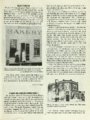
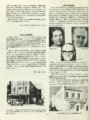
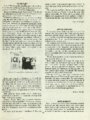
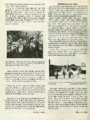
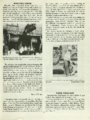
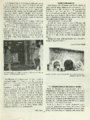
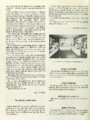
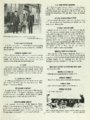
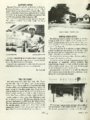
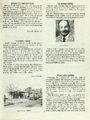
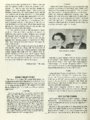
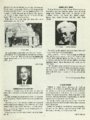
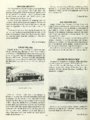
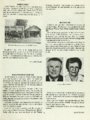
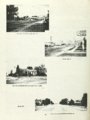
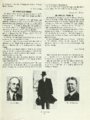
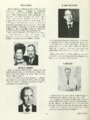
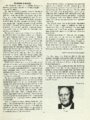
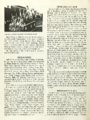
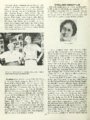
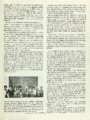
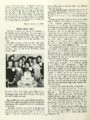
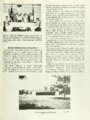
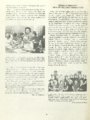
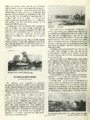
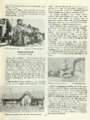
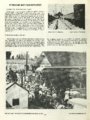
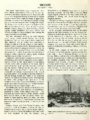
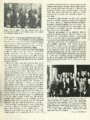
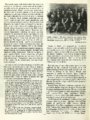
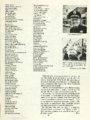
Show III. LATER RESIDENTS EARLY MIDVALE SETTLERS buckets, which he would carry on a stick .over his strength and blood lines of many nations enriched and helped t.o build the little community, The development of the railroad systems and shoulder. Milk was only a nickel a quart. "We lived in Midvale until 1917, when we moved to Leamington. Father and Mother returned t.o Midvale in smelters contributed t.o the industrial growth, but the city weathered their demise. Midvale is an attractive community in which to live and raise families. Tree shaded streets are bordered by pleasant homes with at tractive, well-kept yards. Originally a city of one family homes, Midvale has had many apartment complexes built in the last few years. Instead of the commercial district being concen trated .on Main and West Center Streets, as it was in earlier days, new business areas have been developed in Center Square, East Center, on State Street and along 1922, settling in their same house. After Mother died in 1936, Father lived alone. He made door mats by wiring The together strips of old car tires. He sold these mostly meet people. He died in his 95th year." Mark Hoyt YOUNGS AND GERTRUDE S. CUTLER Youngs and Gertrude Richardson Smith Cutler were married in 1899. She had previously been married to 7200 South. Around 300 business licenses have been issued Don Carlos Smith and had two children by the city this year. - Ermel and Carlos, Jr. They divorced and she later married Youngs. Their son was Shirley Youngs Cutler. Youngs Cutler was a foreman at the U.S. Smelting. He was active in church and superintendent of Midvale Ward Sunday School. Gertrude was a professional seamstress who lived with the people she sewed for. She belonged to the Mid vale Community Club and helped raise her sister, Mer Don KNUD AND JUTINE BENDIXEN compiled by James Bendixen, son of Bendixen, who came to Utah in 1881 from Denmark, converts to the LDS Church. They first settled in Fountain Green, later moving to Sandy, where in 1893, Knud got his right hand caught in an .ore crusher. It crushed his arm to above the elbow, which necessitated amputating almost to the shoulder. This sketch to was Knud and Jutine na Richardson. Mildred S. Maxfield and Gertrude S. Beckstead JOHN M. DUNOSKOVIC Zumberak, Yugoslavia, in 1887 and at tended school at Mrzlo Polje, a nice village. There were five grades in one very large room. We had five benches to sit on, but no desks. Another large bench was used as I our Knud Bendixen Knud and Jutine ten children - Johanne Stephen Knud, Jutine Amelia, Ephraim vigo, Olga Regina, Naomi, Maty, Erhardt Knud, Caroline Ellenora, James Embro. In 1910, the family moved t.o Midvale, renting a new Christine Jutine, Carl brick home at 78 East 4th Avenue. In a short time, the purchased for $800 and the frame h.ouse to the was the desk. When I was fifteen years old I wanted to c.ome to the United States. I wrote t.o a cousin in Waukegan, Illinois telling him that I wanted to come t.o the United horne was west for $400. The United States Smelter employer in Midvale then. born in Every Wednesday and Saturday afternoon the local priest took the teacher's place. He asked us questions about religion. When we didn't know the answer, he would make us take our shoes off, then he whipped our toes. We looked like we were doing a wild gypsy dance. At thirteen years of age I had my first job. I worked for a priest, Father Donovich, for two years and was paid an equivalent of thirty American dollars. Justine Bendixen had was States. Six weeks later I received big a registered letter with three hundred kroners. "We had two cows and some chickens. We sold eggs, milk and butter. Father would deliver milk in quart 56 I arrived in the United States on July 4, 1902 and I found the people celebrating. My cousin and his family were expecting me. I stayed with my cousin until I got a |