| OCR Text |
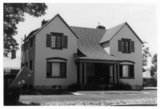
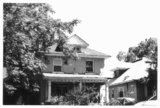
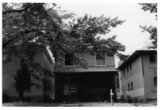
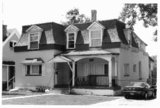
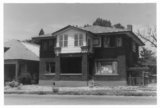
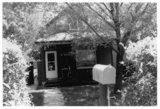
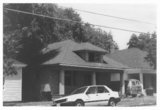
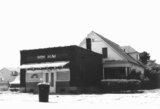
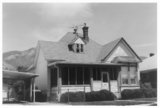
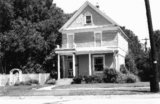
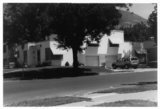
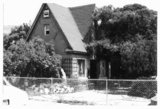
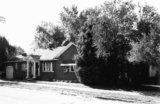
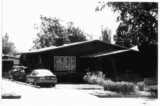
Show 0MB No. 1024-0018, NPS Form United States Department of the Interior National Park Service National Register of Historic Places Continuation Sheet Section No. 8 Page 26 Ogden Central Bench Historic District, Ogden, Weber County, UT construction projects in the city. And as one of the city engineers remarked, "It is one of the best records the city had seen during the past decade."7 However, nobody was likely prepared for the population and building boom that was to come due to World War II and the defense industries that followed it to Ogden. World War II and Post War: The 1940s Social History The district played a vital role in Ogden's history during the 1940s. The district became the first destination for many of the defense workers who landed jobs in the area during the war years. Old Victorian homes and , apartments were altered to rent to singles and new home were built to house families. The renaissance in residential life also revitalized the other areas in the district as well, making this one of the most popular places to live, not only in Ogden, but in all of Northern Utah. World War II and the Defense Industry By 1941, the slow-to-moderate building the Central Bench had witnessed in the 1930s was well in the past. With the United States joining the war effort, federal money was on its way to Ogden and that as has been well documented, "No place in Utah was more successful than Ogden in attracting federal dollars." Ogden's geography was key in attracting the defense industry, just as it was in attracting agriculture and the railroad in the past. The Ogden area was also aggressive in efforts to entice industries to the region, and successfully so. Some of the defense industries drawn to the area in the early 1940s were the Ogden Arsenal, Ogden General Depot, Hill Air Force Base, and the Naval Supply Depot; these brought tens of thousands of new workers into the city looking for housing. And Elizabeth Tillotson remarked, "Ogden is nationally known as the Gateway to the Intermountain West and is now one of the exciting new missile centers of the world. But Ogden is also a city of beautiful homes, schools, and churches, and a dependable citizenry,"78 as many newcomers soon noticed. 7*7 Without sufficient housing, the government took several approaches at handling the housing crisis caused by the influx of thousands of new workers created by the new wartime industries. Thus in the early 1940s the federal government stepped in and built a housing development just south of the city called Grandview Acres, a short time later annexed to the city, just north of 39th Street and below Harrison Boulevard. Still short on housing, the federal government constructed other housing projects in and around Ogden City during the 1940s. 79 In addition to the various housing projects federally developed, the government also urged local citizens to become involved as well. One such person to become involved was J. Francis Fowles, who developed a block of land located in the very southeast corner of the district that had been previously untouched (Photo 52). Mr. Fowles had long been a realtor in Ogden, starting business after returning home from World War I. He was also a key member of the Democratic Party, serving in the state senate for over 20 years. In 1941 the land was 76 77 78 79 Ogden Standard-Examiner. "Home-Building, Permits Show $62,250 Total," 2 June 1939. Peterson and Parsons, Qgden City Elizabeth Tillitson, A History of Qgden (1940-1960) (Ogden: J.O. Woody Printing, 1962), 1. Ibid, 15. |