| OCR Text |
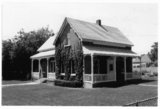
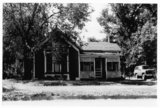
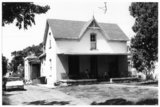
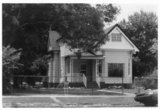
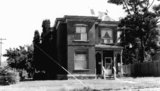
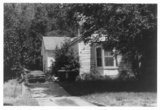
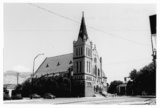
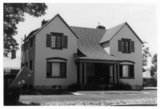
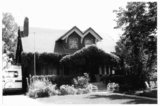
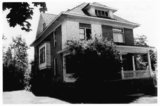
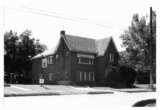
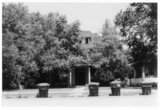
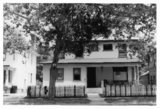
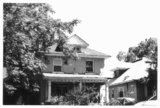
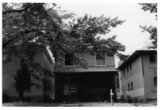
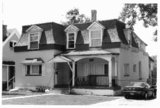
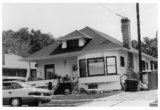
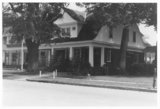
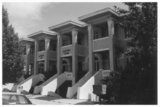
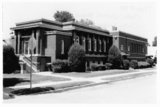
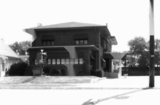
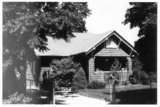
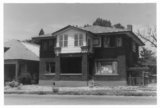
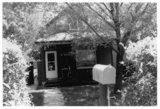
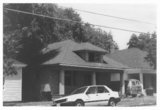
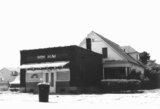
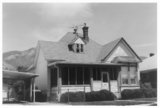
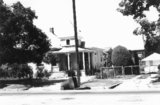
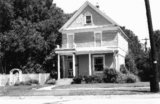
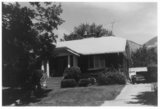
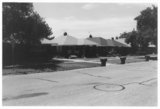
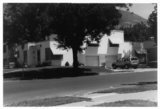
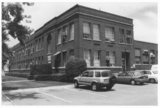
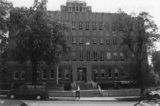
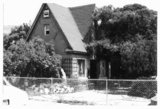
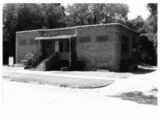
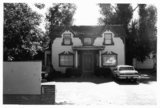
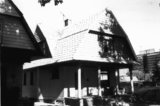
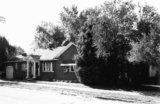
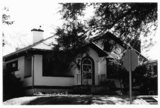
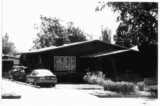
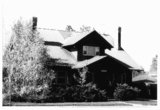
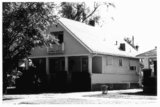
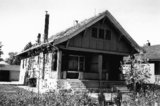
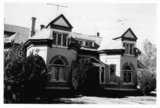
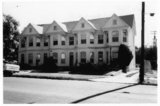
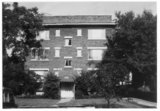
Show OMB No. 1024-0018, NPS Form United States Department of the Interior National Park Service National Register of Historic Places Continuation Sheet Section No. 8 Page 18 Ogden Central Bench Historic District, Ogden, Weber County, UT apartments were built in the city between 1908 and 1928, with 15 being located in the bench area. Most of the apartments were done in the basic block style, Prairie style, or Spanish Colonial Revival style of architecture, and were done in brick. Rentals in the district were not limited to the era between 1908 and 1928; they had been a phenomenon in the district for years. According to the 1900 census, over half of the homes in the district were rented out instead of owner/occupied. The trend of rentals would continue as the bungalow and period revival era of the district would come to light, as several duplexes and more multi-family residences would be constructed. 59 By 1909-1910, due to the strength of railroad and industries related to it, Ogden had once again become a "Queen City of the Rockies." In fact, during the years 1909, 1910, and 1911, a subdivision was platted in each of those years. The most noted being the Eccles Subdivision, in 1909; the other two include the Manhattan and Hoff subdivisions. Due to its significance, the Eccles Avenue District was placed on the National Register in 1976. Leslie S. Hodgson and Eber Piers were the two architects credited with the design of the homes on Eccles Avenue. They also designed several other buildings in the district, including the LDS Church Branch for the Deaf located at 740 21 st Street (Photo 33, designed by Hodgson), and the Albert Scowcroft home located at 2350 Adams Avenue (Photo 34, designed by Piers). The district is also known for the significant families who resided on Eccles Avenue, who were prominent in local, state, and national affairs. As can be seen through the Eccles Subdivision, and the other subdivisions platted in the district during the era, architecture took on a new clear form in Ogden. The bungalow, synonymous with the Central Bench District, became a giant in the area. In addition to the Prairie style bungalow, which was common in the bench area, other early forms of this style took shape. Prior to 1910, small basic bungalows started to replace the Victorian cottage of the era before. The Arts and Crafts-style bungalow made its appearance, although it never had a huge influence in the district. A good example of this can be found at 2255 Madison Avenue (Photo 35), the home of architect Leslie Hodgson. He designed and built the home in 1913 and in 1934, in one of his most offbeat business dealings, traded this home with his business partner Myrl McClenehan. Other distinct forms of bungalows were also built, and by 1910, as the population in the city grew to over 25,000, the district filled in with these homes. Architects/Builders Other architects began to make their names in the Central Bench District during the 1910s. Arthur Shreeve is a prime example. He was born in Ogden in 1885, a son of Thomas and Emma Shreeve. His father owned a grocery store for several years in the district at 2546 Madison Avenue, it had an apartment attached where the family resided. Arthur Shreeve was educated in Ogden city schools and attended the Weber Academy, from there he attended the International Correspondence Schools in Pennsylvania, and later studied in San Francisco under J.W. Foresight and then in Chicago at the Armour Institute of Technology. In 1910 he then returned to Ogden and established an office with fellow Armour graduate D. Leo Madsen. Shreeve, along with Madsen, built several homes in the district, including several on the 2500 block of Van Buren Avenue. After Art Shreeve's marriage to Inez Farr in 1911, they built several homes in sequence in the district, living in each one 59 Cooper and Roberts, Architects, "Three-Story Apartments in Ogden, Utah, Built 1908-1928," National Register of Historic Places nomination, 1987. |