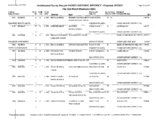
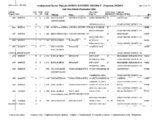
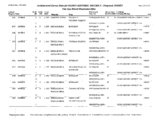
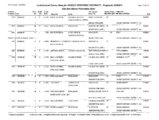
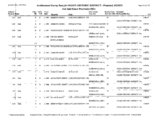
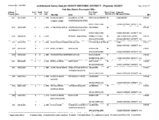
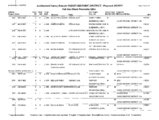
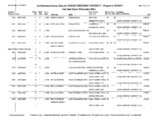
| OCR Text |
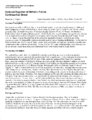
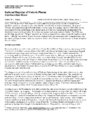
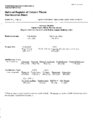
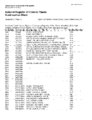
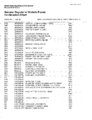
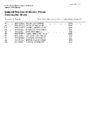
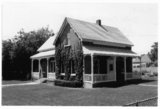
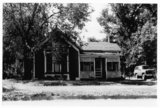
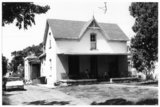
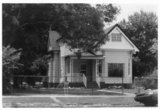
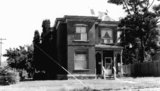
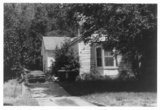
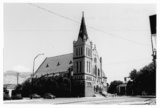
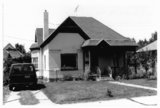
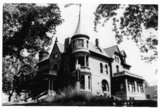
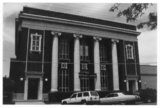
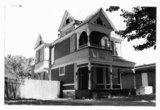
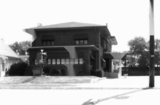
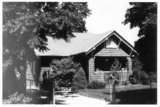
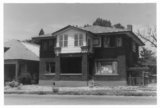
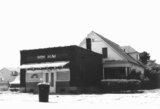
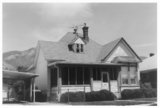
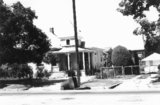
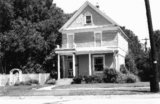
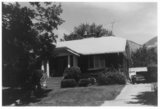
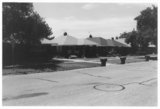
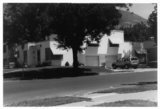
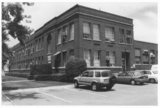
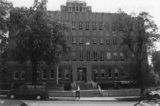
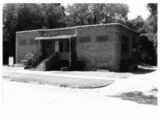
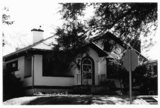
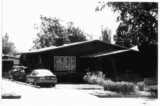
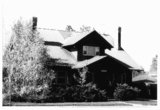
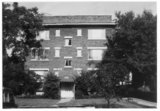
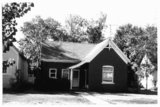
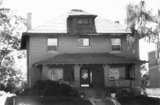
Show OMB No. 1024-0018, NFS Form United States Department of the Interior National Park Service National Register of Historic Places Continuation Sheet Section No. 7 Page 9 Ogden Central Bench Historic District, Ogden, Weber County, UT In the 1910s period cottages started to become widespread throughout the district. These homes generally had rectangular floor plans and they extended deep into their lots. Commercial Buildings A number of commercial buildings are also found in the district. Starting in approximately 1910 these one-part and two-part commercial block buildings started to dot the area as the population started to expand in this portion of the city. The one-part block is a small single street-level structure, many of which have large-plate display windows. The two-part block is very similar to the one-part block, only it is composed of two distinct vertical zones and may range from two to four stories in height. Most of the commercial buildings in district were originally used as grocery stores or meat markets. The buildings were often used for more than one purpose. For instance, the building at 1012 22nd Street (Photo ,50) was used as a grocery store in the front half while the rear half was used as a Post Office. And in the two-part block buildings the bottom level was generally used as some type of retail store while the upper area was used as a living unit. Over two-dozen of the commercial type buildings remain in the district. Ecclesiastical Buildings Twenty-two ecclesiastical buildings are found in within the district boundaries and are spread fairly evenly throughout. Of the twenty-two buildings, fourteen are eligible, two ineligible, and six out of period. The buildings represent a range of architectural styles, from Victorian Gothic, to Period Revival and Minimal Traditional. The earliest and most visible religious-use building in the district is St. Joseph's Catholic Church, which was constructed in 1899 and is an excellent example of the Victorian Gothic style. Construction Materials Brick was by far the most popular type of material used by Ogden builders. One of the largest brick plants located in the western United States, during the late-nineteenth and early-twentieth centuries, was located in the Central Bench district (between Jefferson and Madison Avenues and 28th and 29th Streets). Regular brick, mostly red in color, was the most common kind of brick produced at this and other brick plants in Ogden. Brick started to be seen in the district as early as 1870 (the first brick plant in Ogden was completed in 1868 near current-day 12* Street and Grant Avenue), and over one-half of the homes in the district were constructed using brick. Wood-framed/sided houses only comprise a small percentage of the buildings in the district. At one time during the earlier periods of the district, however, wood homes were the most common type of home. Many have since been razed and replaced by more modern brick structures. Adobe homes, like the wood homes, were also widespread in the district; they have all since been demolished or replaced with new siding. Stone was another popular building material at one time, and while no homes in the district are made entirely out of stone, the majority of the homes predating 1910 have stone foundations. Other types of materials found in the district in larger numbers include aluminum, asbestos, and stucco. Aluminum and asbestos were popular materials used during the World War II era, while stucco has been used throughout the twentieth century. |