| OCR Text |
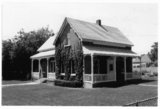
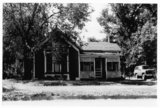
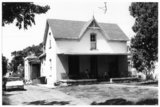
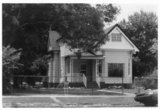
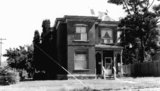
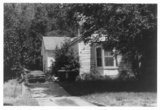
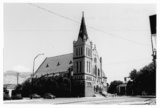
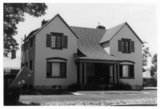
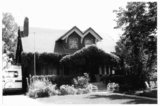
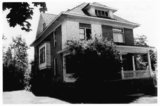
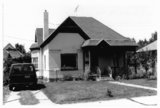
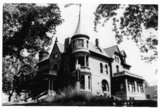
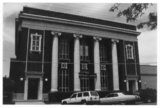
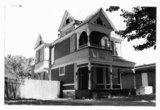
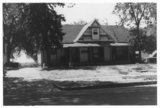
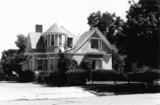
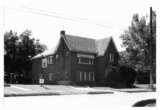
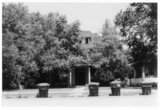
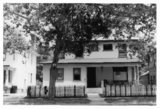
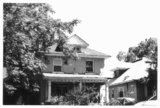
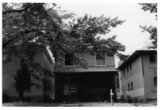
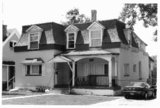
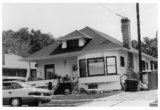
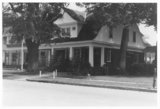
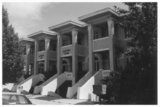
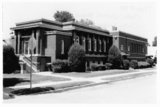
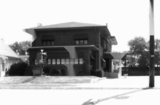
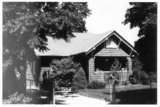
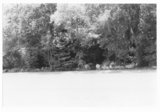
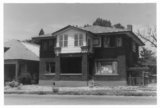
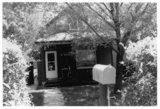
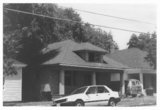
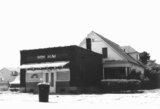
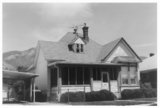
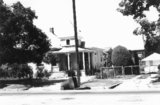
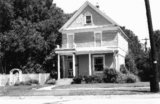
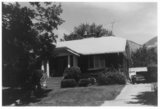
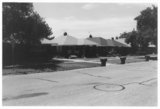
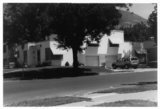
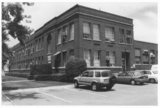
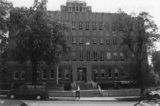
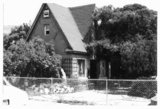
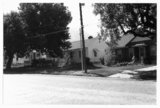
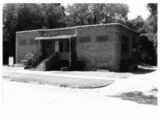
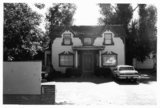
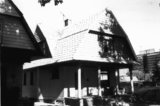
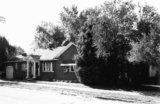
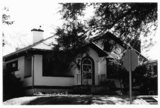
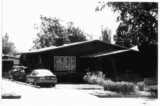
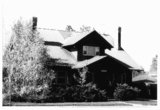
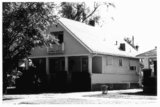
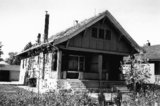
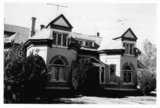
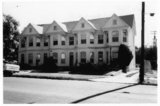
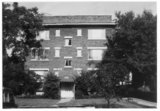
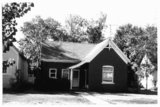
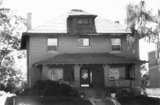
Show 0MB No. 1024-0018, NPS Form United States Department of the Interior National Park Service National Register of Historic Places Continuation Sheet Section No. 8 Page 8 Ogden Central Bench Historic District, Ogden, Weber County, UT train headed eastward to Colorado a number of boosters handling the lilacs made them into small bunches suitable for boutonnieres and bouquets. Colorado responded, at every station where the train stopped there was *77 a crowd of people asking, "Which is the lilac car?" Colorado was not the only state moved by the boom that was occurring in Ogden. People, such as C.D. Hammond all the way from New York, made their way to Ogden to invest in Ogden property.28 By now, the boom was now well underway. For instance, in a single day in April over $180,000 changed hands over property. Several individuals from places such as Denver, Boulder and Fort Collins, Colorado; Paola, Kansas; and Syracuse, New York, all were shown making investments on OQ that one day. Real estate investors alone were not the only people coming to Ogden. Builders, architects, and contractors were moving to the city in large numbers. The same was true for businessmen and others looking to put themselves in a better position. The people who came to Ogden quickly saw the bench area was the place of choice to settle, as the division line that had started to separate the residential district from the rest of the town before 1888 took form during the boom years. Most of the newcomers who made their way to Ogden during 1889 made their new homes in the Central Bench District. Architects John Collins (Photo 7, home and office located at 2670 Jackson Avenue), Francis C. Woods (Photos 8 and 9, he built the Catholic Church at 506 24th Street and Madison School at 2418 Madison Avenue), George A. d'Hemcourt (resided at 874 23 rd Street (see Photo 22)), and Charles J. Humphris (Photo 10, he designed the homes at 2605 Jackson Avenue) all made the Central Bench their home. Businessmen and entrepreneurs were also attracted to the Central Bench. The hope of becoming wealthy lured them to Ogden, and the peacefulness of the highly expanding bench neighborhood led them to build a home and reside there. Fred Morgan Nye is a good example. He was born and raised in Eureka, Kansas, and received his higher education at Beloit College in Wisconsin, and at Knox College in Illinois. He resided at 2546 Jefferson Avenue (Photo 11). After completing school and hearing the news of Ogden's boom, he moved to the city to open up a clothing store. Other notable businessmen moving to the district included O.A. Parmley (730 25th Street), S.H. Hendershot (1165 25th Street), James G. Paine (2103 Adams Avenue), and John T. Hurst (2535 Adams Avenue). The individuals aforementioned were not the exception to the rule in 1889, the story was repeated over and over again as Ogden and the Central Bench District expanded. In fact, the increase of total real estate sales in Ogden jumped up from just over 1.2 million in 1888, to over 5.6 million in 1889. O f\ Change and Continued Growth Liberal politics in Ogden, as opposed to the earlier predominately Mormon operated and run city, were transpiring as well. In 1889 the Liberal party of Ogden reached its pinnacle when every party candidate running for office defeated their rival Mormon People's party candidates, with Fred J. Kiesel elected to the office of mayor. The following day the Utah Daily Union summed up the election on their headline, "Ogden 27 O.A. Kennedy, "Lilac Time," Oqden Standard Examiner. 26 April 1940. The excursions lasted every year up until 1893, which proved to be the ending of the boom years. 28 Oqden Standard, "All the way from New York, Investing in Excellent Ogden Real Estate," 20 April 1889. 29 Oqden Standard, "Real Estate, Over $180,000 Changed Hands Yesterday." 24 April 1889. 30 Wallace McDougall and J. Banner Melton, Men Who are Making Ogden (Publicity Service of Ogden, 1919). 31 Ogden Standard, "Real Estate Activity; Ogden Growth Recorded in a Few Reliable Numbers," 24 June 1891. |