| OCR Text |
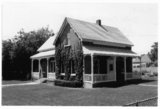
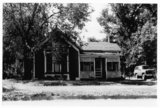
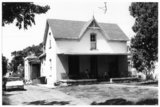
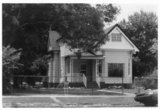
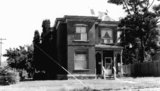
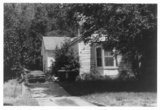
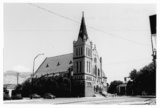
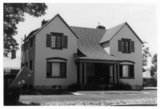
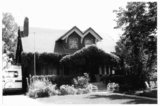
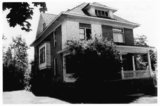
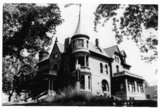
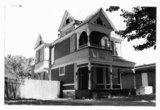
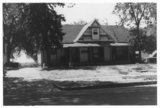
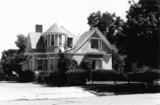
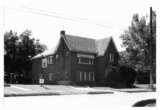
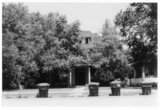
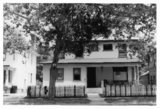
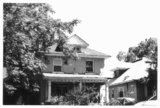
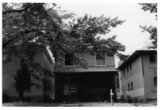
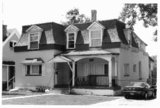
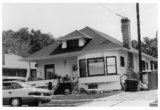
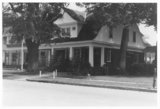
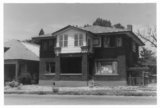
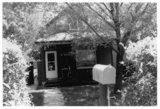
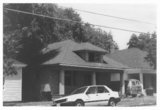
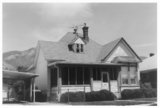
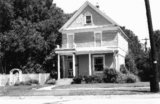
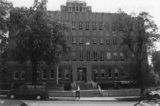
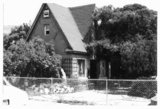
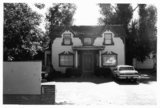
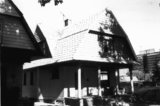
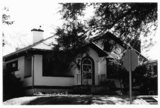
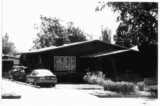
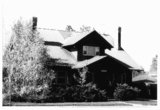
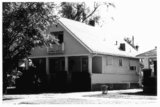
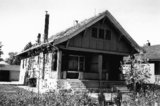
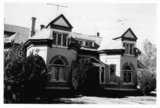
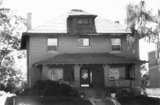
Show OMB No. 1024-0018, NPS Form United States Department of the Interior National Park Service National Register of Historic Places Continuation Sheet Section No. 8 Page 14 Ogden Central Bench Historic District, Ogden, Weber County, UT Madison Avenue; Victorian Gothic style house at 2332 Adams Avenue (Photo 20); and the Shingle style at the Wright home at 566 24th Street (Photo 21). By far the most popular style during the era was the Victorian Eclectic, a catchall category for buildings that exhibit features from various Victorian styles as well as Classical and even Picturesque styles. During the late 1880s and 1890s the Victorian Eclectic home became popular in all urban settings in Utah, and builders in the Central Bench welcomed the style as it allowed builders and architects great freedom in selecting decorative motifs to achieve a high degree of picturesque intricacy and enhancement of the irregular massing of their design.49 As numerous Victorian styles were popular, so were various house plans and types. The central block with projecting bays was a particular favorite in the neighborhood, as was the side-passage/entry hall, and also the cross-wing form. As the homes are a beautiful remnant of that era today, the homes were highly regarded during that era as well. As one gentleman who was publishing the city directory of 1890 remarked, "I have never seen a city in which so many men with small incomes own their own houses and have them neatly furnished," and went on to talk about the magnificence of the residential neighborhood Ogden had established. The Neighborhood Reaffirmed: 1900-1920 Social History Rebirth of the City and District Although times were tough for residents living in the Central Bench during the mid-1890s, by the turn-of-thecentury the neighborhood started to regain vitality. Business had been steadily improving during the late-1890s, albeit times would not be as they were during the era that made Ogden a "modern" city (1888-1892). Ogden had reaffirmed itself as the railroading, manufacturing and industrial center of the Intermountain West, and construction of new structures was on the rise. Many looked to Ogden as the place to live in 1900. Turn-ofthe-century Ogden was becoming the center for sheep and cattlemen who had been prosperous throughout the United States, to build their homes. The railroad, with its distribution possibilities, made it possible to bring them here permanently. For example in 1902 one of the successful sheep raisers, P.M. Mattson, sought to create a subdivision and have several cottages constructed within the Central Bench District. The land to be platted was to lie between 28th and 29th Streets and Jefferson and Madison Avenues. Although the plans never actualized, serious talk of platting land was being discussed for the first time since the boom days of 1890. 51 Another factor drawing residents to the city was the fact that homes had deflated in price over the past decade, giving prospective buyers the opportunity to buy a nice home without the sacrifice over former prices. Even though people were continuing to move into the affordable homes over a short amount of time in Ogden, there CT 49 Thomas Carter and Peter Goss, Utah's Historic Architecture. 1847-1940 (Salt Lake City, UT: University of Utah Graduate School of Architecture and Utah State Historical Society, 1991), 111. 50 Oqden Standard. 8 September 1889. 51 Ogden Standard-Examiner. "Will Build Cottages," 13 October 1902. 52 Ogden Standard. "The Real Estate Market," 16 January 1900. |