| OCR Text |
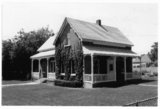
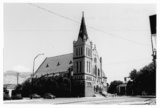
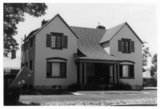
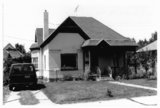
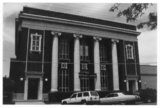
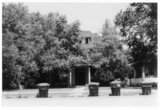
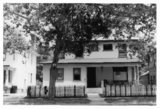
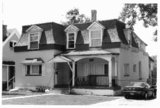
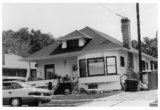
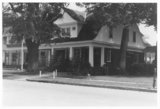
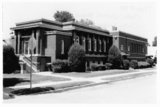
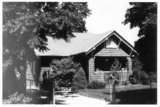
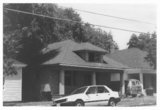
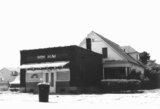
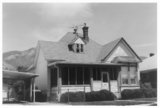
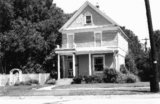
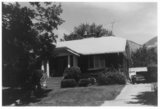
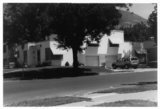
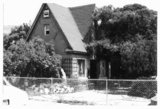
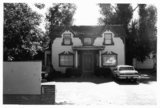
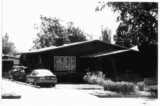
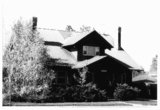
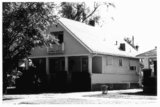
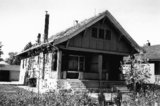
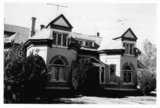
Show OMB No. 1024-0018, NFS Form United States Department of the Interior National Park Service National Register of Historic Places Continuation Sheet Section No. 8 Page 21 Ogden Central Bench Historic District, Ogden, Weber County, UT of the district. As they continued to live in Ogden, they often worked their way up to the more stable and peaceful community that was the bench. The Poulter Grocery and Dry Goods store was one of the very first markets east of the commercial/industrial sector of town. The matriarch of the family, Elizabeth Poulter, opened it in 1893 in the Poulter family home. The Poulter's were Mormon pioneers, coming to Ogden in 1855, and settling in the bench neighborhood as early as 1870. They built several homes in the vicinity of 25th Street and Gramercy Avenue, as is the case with the home and grocery at 2570 Gramercy. 65 While George Poulter went to England for a couple years to serve a mission for the LDS Church, Mrs. Poulter opened up the market to create some revenue for her family at home and to help support and pay for her husband's church mission in England. The store was a mainstay in the district for seventeen years, until several others were built in its vicinity. Churches Most of Ogden's historic churches are found in the Central Bench Historic District, almost all of which were built by the year 1920. Several of the churches were noted in the Ogden Chamber of Commerce's 1930 Ogden: the Gateway to the Intermountain West. In fact, all five churches featured in the pamphlet were located in the district.66 Including the magnificent St. Joseph's Church at northwest the corner of 24th and Adams Avenue; the Presbyterian Church at the southwest corner of 24th and Adams Avenue (now heavily altered); First Baptist Church of Ogden at southwest corner of 25th and Jefferson Avenue; First Church of Christ, Scientist, at 780 24th Street; Methodist Church at 2604 Jefferson Avenue (part of church was originally J. Pingree's home built in 1908, then the church purchased the property in the 1920s); and several LDS meetinghouses. Another interesting religious facility was the LDS 4th Ward Theater located at 2323 Monroe Boulevard, which was used as an amusement hall until 1900, when it was then sold and converted into a home (Photo 42). The District's Fruition: The 1920s Community Development and Planning New Growth By the time the 1920s rolled around Ogden was doing comfortably well in terms of industry and business, and the Central Bench District was witness to more development than it had seen in years. As many enjoyed good times throughout the rest of the United States, those in Ogden were no different. And in terms of house construction in the bench area, the 1920s were very important, as the district started to fill up and fill in with a "bonanza" of bungalows and period revival homes, for which the district is well known. It was the decade that really focused on the district, as it was the time in which the area became a new home to many. It was also the era just before the city expanded every direction surrounding the Central Bench. As the economy was burgeoning because of the impact felt by the railroad and related businesses, the working class in Ogden welcomed the comfortable and affordable appeal of the bungalow. The bungalow found its way into the 65 G. Raymond Poulter, Poulter Family History, Family History Library, Ogden, Utah. 66 Greater Ogden Chamber of Commerce, Qgden: the Gateway to the Intermountain West, 1930. |