| OCR Text |
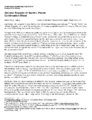
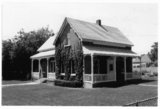
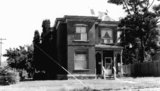
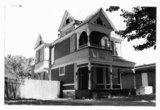
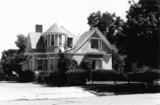
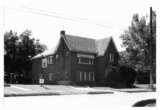
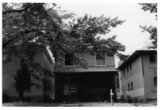
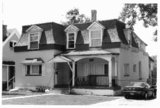
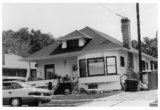
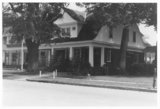
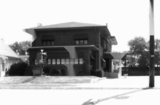
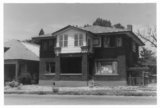
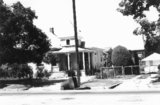
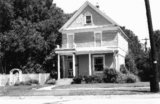
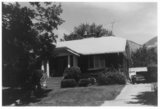
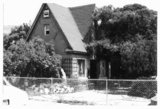
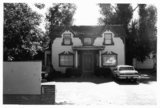
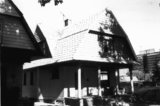
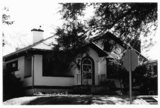
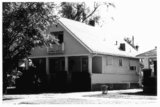
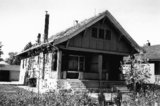
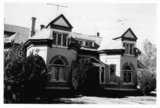
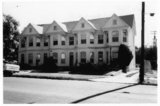
Show OMB No. 1024-0018, NPS Form United States Department of the Interior National Park Service National Register of Historic Places Continuation Sheet Section No. 8 Page 10 Ogden Central Bench Historic District, Ogden, Weber County, UT economic Mardi Gras in Ogden, calling it the Rocky Mountain Carnival. Through the carnival, although it was not the success Mr. Harvey had hoped, Ogden received national attention and sold its position even more as a significant railroad and manufacturing center in the western United States. The city continued to grow, as did the bench neighborhood, and by 1890 the population in Ogden was up to 12,000. William H. Harvey left Ogden in 1893 to pursue his ambitions in the fight for the coinage of silver and in 1932 ran for the President of the United States under an independent party. While living in Ogden Mr. Harvey, who came to the city in 1888 from West Virginia, resided at 2671 Jefferson Avenue (Photo 17). It was in the atmosphere of the boom in 1890 that several of the residences on Jefferson Avenue were built. The line of homes, particularly between 25th Street and 27th Street, were referred to as "banker's row," as many of the people who lived in the area were bank personnel or others involved with the financial affairs of Ogden. The Jefferson Avenue District has previously been placed on the National Register of Historic Places. Indeed, 1890 marked another record year for Ogden. Ogden more than doubled total sales of real estate from just 5.6 million dollars in 1889 to over 12.1 million dollars in 1890; and in 1891 building and sales increased by an even greater percentage. In that year alone over 50 dwellings were constructed in the district.37 And in 1892 the district continued to grow. By the end of the boom years, which lasted from 1888-1892, Ogden had grown and prospered quickly; the city went from a more rural community with a thriving industry, to a full urban commercial and manufacturing center with an attractive residential neighborhood. There had been steady and continuous growth in commerce, manufacturing, agriculture, mining, railroading, building, and in all sorts of "^ S other industries, most doubling to quadrupling in size. The Central Bench neighborhood's foundation was quickly formed by the rapid development and creation of subdivisions, leaving the street and block pattern primarily how it is found today. One-half of the district's twenty-six subdivisions were developed over these five years. BichsePs, Capitol Block, Chamberlin's, Corey's, Dankowske's, Dundee Place, Maguire's, Moffit's, Park Place, Rider's, and Rushton Subdivision were all developed during the boom years. Realtors and investors of Ogden City developed many, and several were created by out-of-townsmen. Investors outside of Utah included, among many others, Hiram C. Rider (Rider's Subdivision) from Denver, William F. Thompson and James C. Scott (Rushton Addition) also from Denver, arid Ronnie and Rose Moffit (Moffit's Subdivision) from Wyoming. The phenomenon of non-Ogden investors in the city may have started during this era, but it continued on throughout the later development of city. For instance in 1915, 1600 people from outside of Utah were listed as owners of Ogden real estate, with 400 of those residents from Colorado.3 Maguire's Addition was developed by Don Maguire, a Vermont native who was highly educated, a writer, geologist, businessman, builder, and scientist, developed a subdivision then attempted to sell his individual lots to people from out of state. One advertisement placed in the newspaper states, "Attention Excursionists, we will sell for five days only, two or 36 O.A. Kennedy, Ogden Standard-Examiner, 6-16 May 1912, (a series of articles written about William H. Harvey). 37 Salt Lake Daily Tribune, 1 January 1892. 38 Oqden Standard. 24 June 1891. . . -LJ-------------- ----~------ Kennedy, "Lilacs." |