| OCR Text |
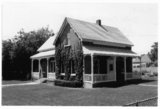
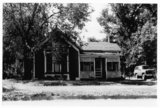
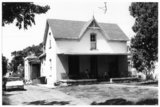
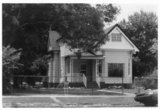
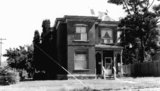
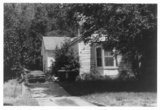
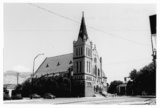
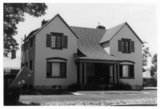
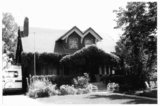
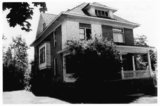
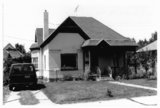
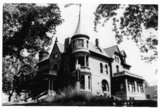
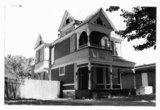
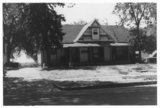
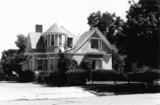
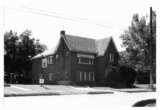
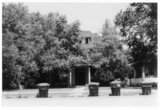
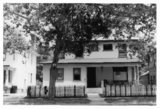
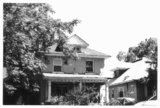
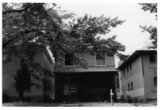
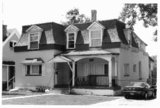
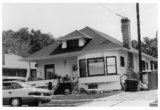
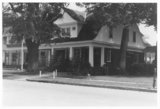
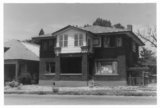
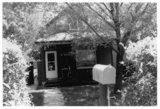
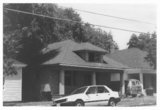
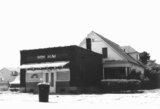
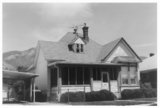
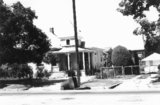
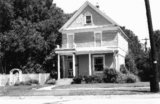
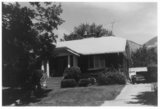
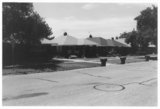
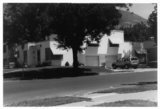
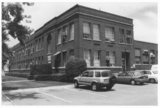
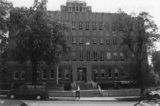
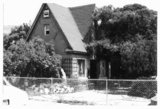
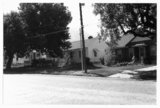
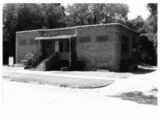
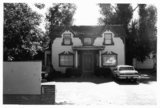
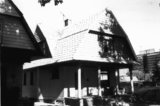
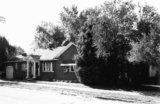
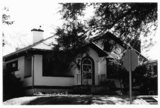
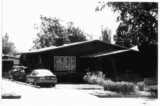
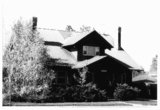
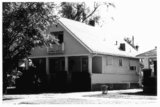
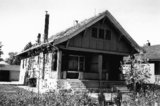
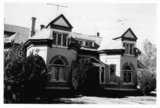
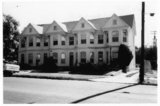
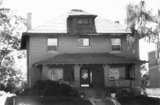
Show OMB No, 1024-0018, NPS Form United States Department of the Interior National Park Service National Register of Historic Places Continuation Sheet Section No. 8 Page 12 Ogden Central Bench Historic District, Ogden, Weber County, UT kitchens sprang up to take care of the unemployed...the Ballantyne Brothers Lumber Company was swallowed up in the national crisis, its receivables became worthless pledges and its inventory values had shrunk to only a fraction of the original cost, and sales dropped so low that the firm could no longer meet its obligations."45 By the time the depression was over Richard Ballantyne had lost both of his homes and his company. It is apparent that building did not altogether stop in the city during the time of depression and discouragement. Some of the leading financial men of the city had first rate residences constructed, taking a stand that they believed the future was bright and they wanted to be a part of that future in Ogden, bringing some sign of hope to the despaired community. A good example of the homes built in the district during this time was the Vernacular-Victorian Eclectic style home constructed for George C. Bent, the manager of the Ogden Paint, Oil, and Gas Company. Subsequently, the house, which lies at 2071 Madison Avenue, would later become the home of one-time Weber Stake Academy President and LDS Church President David O. McKay. Despite this and other examples, the boom by all accounts was over. Building throughout the mid-1890s would be much slower than the earlier years of the decade. Education The district is significant in that it was home to one of the largest educational campuses north of Salt Lake City, the Weber Stake Academy (now Weber State University), run by the Church of Jesus Christ of Latter-day Saints. Its development changed the face of the Central Bench District. In 1888 the Weber Stake Board of Education was formed, and soon thereafter a small building was designated to be rented for classrooms, and supplies were ordered in order to open up a school. By January of 1889, the school had appointed its principal, Louis F. Moench (who resided in the district at 26th and Jefferson), and classes had begun. Ninety-eight students attended the first semester, and at the beginning of second semester in March enrollment climbed to 137. The first year's enrollment at the school far exceeded expectations, so during the fall of that year the church secured the Weber Stake Tabernacle in order to make room for the students who wished to attend. In 1890 the school moved its classroom again, to the Fifth Ward Institute building. And finally, in 1892 the school moved to its new and long-time home on Jefferson Avenue between 24th and 25th Street. The academy was officially recognized as a high school in 1895, and in 1916 it was officially recognized as a normal school and raised its rank to a junior college. In addition to Louis F. Moench, several other presidents of the school resided in the district. Aaron W. Tracy of 2332 Jefferson Avenue (Photo 12), and David O. McKay (later he became President of the LDS Church) of 2071 Madison Avenue (Photo 13) are two of the most noted to do so. Several teachers and students also resided in the district. For those students and teachers who did not live in the vicinity, the Ogden Rapid Transit Company offered good rates for round trip fares. Dormitories were also located in the district to help suit students. The most noted dormitory was the Bertha Eccles home located at 2580 Jefferson Avenue (Photo 14), which was used as a women's residence hall during the 1940s. From its precarious beginnings in the late 1880s 45 Conway B. Sonne, Kniaht of the Kingdom, the Story of Richard Ballantvne (Salt Lake City: Deseret Book Company, 1949), 214-216. |