| OCR Text |
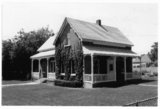
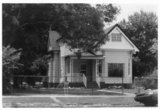
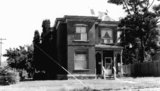
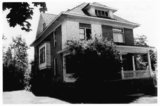
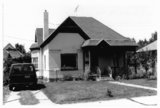
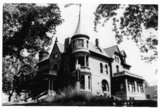
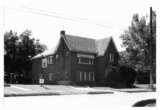
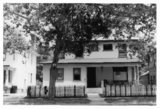
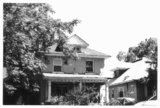
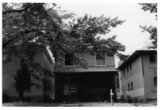
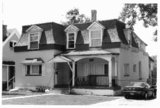
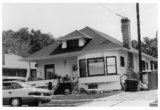
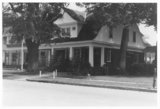
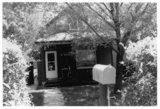
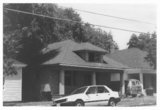
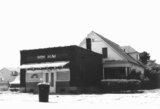
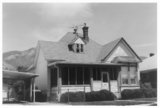
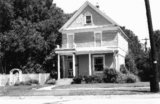
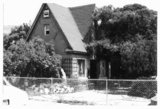
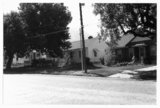
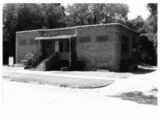
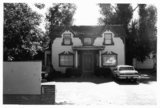
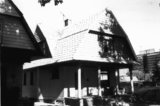
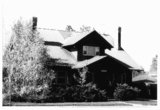
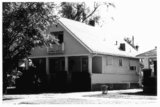
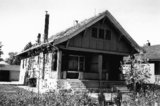
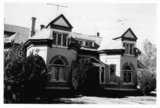
Show OMB No. 1024-0018, NPS Form United States Department of the Interior National Park Service National Register of Historic Places Continuation Sheet Section No. 8 Page 15 Ogden Central Bench Historic District, Ogden, Weber County, UT were not enough homes to house them, either for rent or for purchase. Demand had been steady over the years just preceding 1900, and as many of the construction businesses failed during the depression in the mid-1890s, the supply could not be met. However, after 1900, the tide started to change and many residences started to be constructed and real estate prices subsequently elevated. Neighborhood Demographics By 1920 the district started to become a good representation of the city as a whole, and could start to be seen as what Clix Swaner, a long-time Ogden citizen, considers the area, "A history of the families of Ogden."53 By now the community had a broad make-up, people of all classes lived in the district. The elite of Ogden had established themselves in the magnificent homes of the Eccles Subdivision and surrounding area; the middleclass found a large number of attractive homes and oftentimes moved into the homes of the people who moved to the Eccles subdivision used to live in, such as those on Jefferson Avenue; and the lower class and working people started to fill in the rest of the neighborhood opting to live in the now more affordable, yet well-built bungalows that had begun to be built. Many Ogden pioneers and early-comers still lived in the district in their original homes, dating back to as early as the 1860s; however, the old homes were soon demolished to make way for the new homes of 1920s. People of non-European descent, however, rarely resided in the district until the early 1900s. During the early years of the district, the line that separated the Central Bench District from the commercial and industrial sector of town also divided people by race. People of color almost always lived within a matter of blocks near the Union Station, with only two non-white individuals living in the district in 1900. According to the 1900 Census the make-up of the district was as follows: approximately one-third of the district's homeowners were born in Utah; one-third were born outside of Utah, but from another state in America; and one-third were born outside of the United States, generally from European countries. However, by the 1910s this started to change as more and more Japanese, Chinese, Mexicans, and others moved to the city in larger numbers because of the railroad, and soon started to spread out into the bench area. A case in point is that of a Japanese Hospital that was located in the district, on the corner of 22nd Street and Quincy Avenue. Physician Silgaji Suzuki had immigrated to the United States in 1904, and by 1915 had made his way to Ogden, along with his family, and opened up the hospital at 2204 Quincy. In addition to running the hospital, the Suzukis lived in the home with three other Japanese men until 1925, when they apparently moved out of the city. Prior to this, almost Japanese people had lived on 25th Street near Kiesel Avenue, remembered by many as "J-town." There they had shops and restaurants catering to Ogden's Japanese community. 54 The Japanese hospital/house at 2204 Quincy was replaced by a duplex, c. 1945. The role of women and the impact they had within the district cannot be overlooked. One of the better-kept homes in the district was the one-time home of two of Ogden's leading businesswomen, Maude and Mary Wykes. The home is a two-and-a-half-story rectangular block shaped wood Victorian era building, located at 1068 23 rd Street (Photo 43). The Wykes sisters were natives of Salt Lake City. Their parents had migrated to Utah, from New York City with a Mormon party during the 1860s, although they were not LDS. The Wykes then moved to Ogden in the early 1900s and opened up the M.M. Wykes Company, specializing in ladies 53 Clix Swaner, Interview, December 1999, Long Range Planning, Preservation Files, Ogden, Utah. 54Peterson and Parsons, Qgden City. 190-192. |