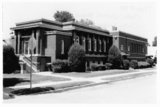
| OCR Text |
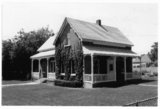
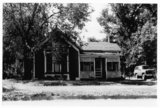
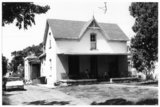
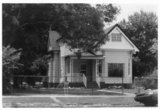
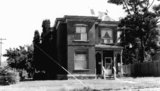
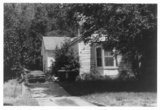
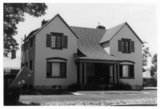
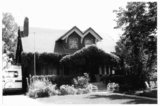
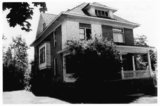
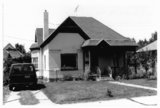
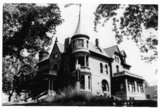
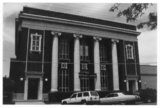
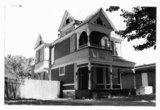
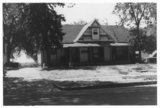
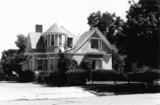
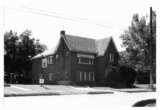
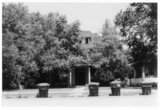
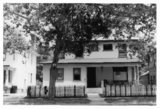
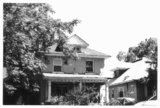
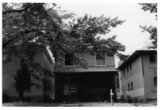
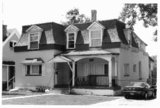
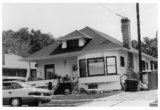
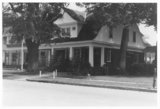
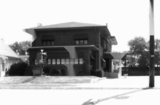
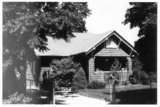
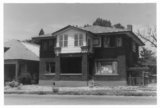
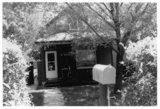
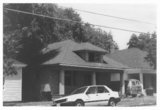
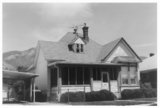
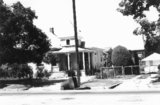
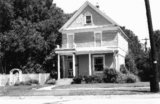
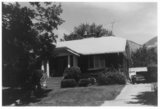
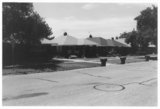
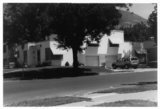
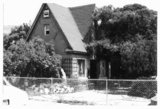
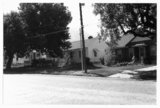
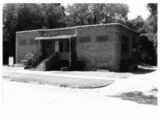
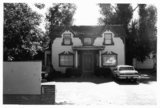
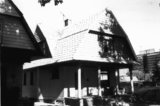
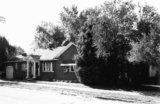
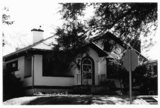
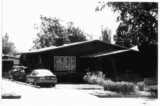
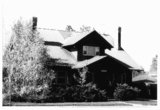
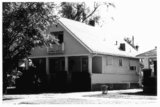
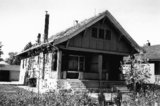
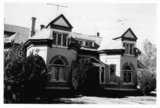
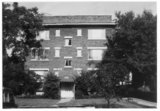
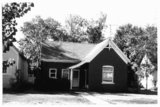
Show 0MB No. 1024-0018, NFS Form United States Department of the Interior National Park Service National Register of Historic Places Continuation Sheet Section No. 8 Page 3 Ogden Central Bench Historic District, Ogden, Weber County, UT could learn, fully occupied by an eminently practical and enterprising class of citizens." The term "bench" was fittingly designated early on for the area because of its unique geographical position to the rest of the city, lying on a small hill looking down on the rest of Ogden. Throughout the 1860s development was gradual and persistent in Ogden and in the bench neighborhood; by the end of the decade Ogden's population had grown to 3,000, from 1,500 in 1860. Then in 1869 the Union Pacific Railroad Company completed the railroad through Ogden, and after the transcontinental connection was made at Promontory, Utah, it was agreed that Ogden was the ideal intersection for the east-west railroads. It was more difficult for the railroad companies to decide where the intersection for the north-south railroad would be located, as Corinne, located 15 miles northwest of Ogden, was better geographically located. However, after Brigham Young promoted Ogden by deeding 131 acres of land to the Union Pacific and Central Pacific, the decision was made to make the city the hub of the north-south lines. Ogden soon became the "Junction City" of the Intermountain West. 10 The early impact of the railroad was significant, however in the beginning it did not change the face of the Central Bench immensely. In an 1875 reproduction of Ogden, 1 { a bird's eye view of the district shows a sparsely developed community with only a few structures located on each block. One of the earliest homes remaining in the district was constructed during this era. The Hathron Chauncey Hadlock House, c. 1877, is located at 478 28th Street (Photo 1). Other kinds of development started to take place in the district as the bench area started to solidify itself as a key residential sector of the city. A good example of that is found at Liberty Square (now Lester Park). The tree-lined park, located at 25* 1 Street and Jefferson Avenue, was initiated for public use in 1870, and soon became a popular meeting place for religious groups, political organizations, school functions, parties, and other .10 activities. One decade later, as it became an important gathering place, a large drinking fountain and dance pavilion was added to the park. 13 During the 1880s, as Ogden's population continued to grow in larger numbers due largely to the impact of the railroad, the Central Bench remained to be a predominantly rural community. A well-preserved example of the rural folk house of this period of time is the small picturesque cottage located at 937 22nd Street (Photo 2), constructed by local builder Henry Ware in 1887. The John F. Gay House, located at 2121 Adams Avenue (Photo 3), is another notable home constructed during this era. Mr. Gay was a Utah pioneer of 1851 and was a lieutenant in the Utah Black Hawk War in Manti in 1865. He came to Ogden in the late 1860s and commissioned William W. Fife to design and build this large Gothic Revival style residence in 1885. Deseret Weekly News. "Account on an Excursion North," 25 February 1863. 10 Olsen, Building by the Railroad. 11 Strobridge and Co., "Birds Eye View of Ogden City," map, reproduced in Reps, Cities of the American West. 12 Richard C. Roberts and Richard W. Sadler, A History of Weber County (Salt Lake City: Utah State Historical Society/Weber County Commission, 1997), 155. 13 Daughters of Utah Pioneers-Weber County Chapter, ed. Milton R. Hunter, Beneath Ben Lomond's Peak (Salt Lake City: Quality Press, 1995), 131. |