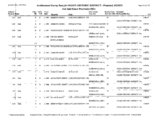
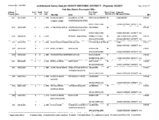
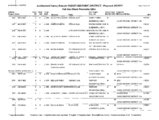
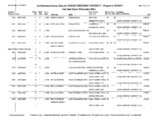
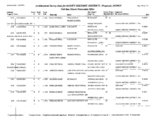
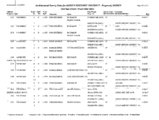
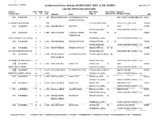
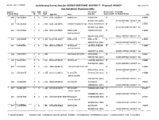
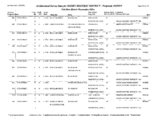
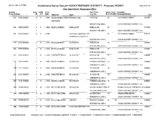
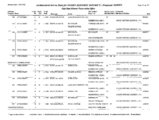
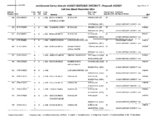
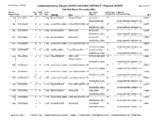
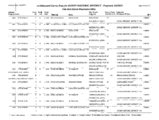
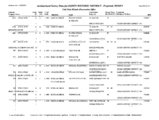
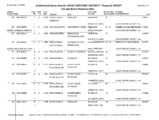
| OCR Text |
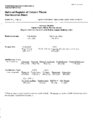
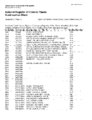
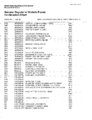
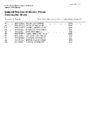
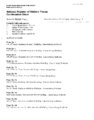
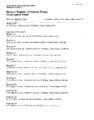
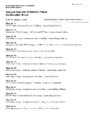
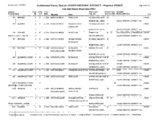
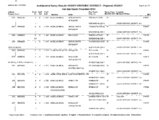
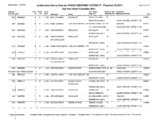
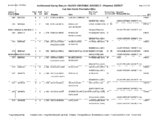
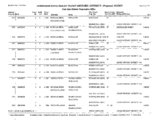
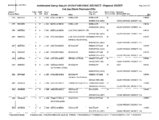
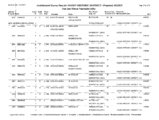
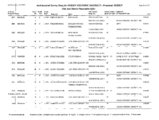
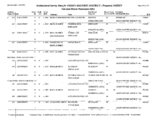
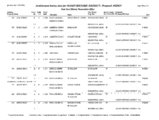
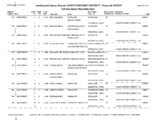
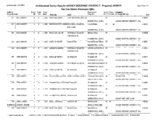
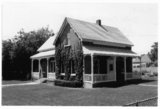
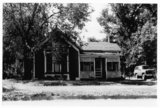
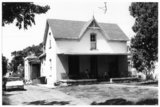
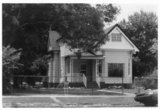
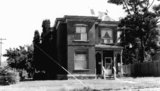
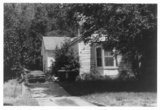
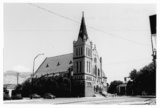
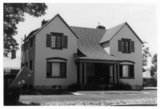
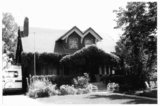
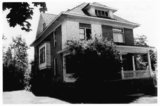
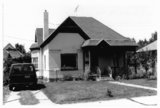
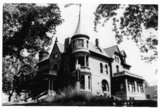
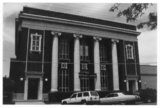
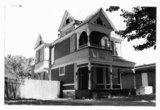
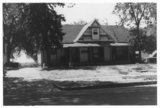
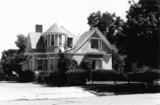
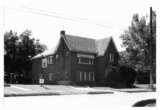
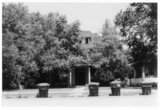
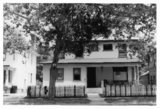
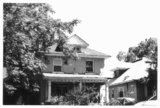
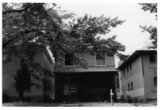
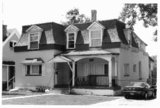
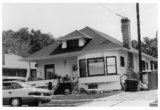
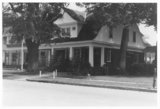
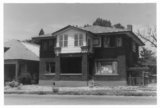
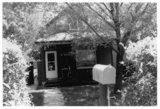
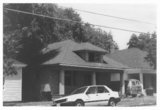
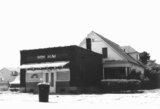
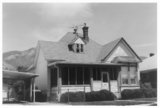
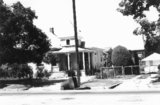
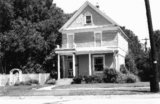
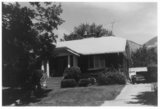
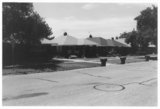
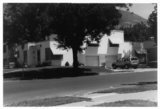
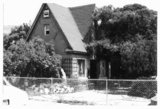
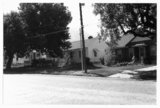
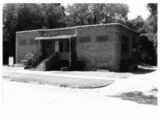
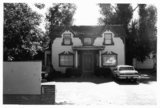
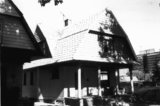
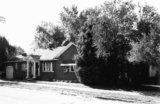
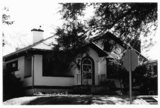
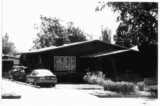
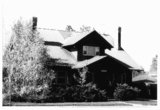
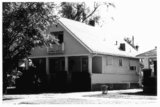
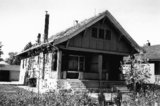
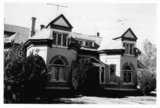
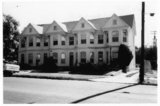
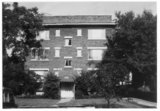
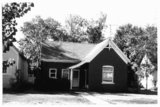
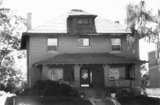
Show OMB No. 1024-0018, NPS Form United States Department of the Interior National Park Service National Register of Historic Places Continuation Sheet Section No. 7 Page 6 Ogden Central Bench Historic District, Ogden, Weber County, UT crops. With the passing of time, larger lots were systematically absorbed by the city's expansion and population growth as property owners subdivided the lots and sold the land to newcomers. Many small "booms" have helped foster growth in the district over the years. For instance, the years 1889-1892 saw the development of many subdivisions in the district (most of which were located in the southern half of the district) in response to the growth of the railroad and popular real estate market in Ogden. The 1940s saw another large growth and "filling-in" period in the district, as many defense workers made the bench area their home. Although these periods of growth and development led to particular areas with a concentration of one particular style/type of home, varied styles/types of homes from different time periods can be found throughout the entire district. Architectural Styles Numerous architecture styles make up the Ogden Central Bench Historic District (see statistics on page 7-11). The majority of buildings were constructed after 1888, a pivotal year in Ogden when it became less of a rural town and witnessed a large boom that lead to steady growth; however, a small number (approximately 75 contributing buildings) predate that year. Some of the homes built pre-1888 were built using elements of Classical, Picturesque, and early Victorian styles. An example of the Classical type with Gothic Revival detailing can be found at 667 26* 1 Street, the Arthur Wade House (Photo 55), one of the oldest homes remaining in the district. Another example of a Picturesque style is located at 2121 Adams Avenue (Photo 3); it is representative of the style of homes built in rural Ogden during the mid-1880s, just before Ogden's great building boom. The Hathron Chauncey House, located at 478 28th Street (Photo 1), is a good example of a Classical and early Victorian style. The changes that marked an end to isolation of Utah and Ogden during the late nineteenth century are also reflected in the architecture of the Central Bench District, namely the Victorian style. The availability of building materials, by means such as the railroad, and the production of numerous popular magazines and stylebooks at the national level made possible the mass-production of the new Victorian style. With roughly 300 contributing Victorian residences, the homes built ranged in size from large elaborate Queen Anne dwellings (Photos 18 and 19) to smaller Victorian Eclectic cottages (Photos 13 and 38), with everything in between, including Eastlake (Photo 16) and Victorian Gothic (Photo 20). Marking an end to the Victorian era in the district during the early-twentieth century was the proliferation of the "everyman's house," or bungalow. The bungalow is the most common dwelling within the district; with nearly 1200 remaining contributing buildings. Several variations of the bungalow exist in the district. The Arts and Crafts bungalow is found in limited numbers (Photo 35). Vernacular Prairie School style bungalows are more common (Photo 37), with a large concentration of them in and around the Eccles Avenue Historic District. Another notable concentration of bungalows is found in the Bramwell Bungalow Court, located near the center of the district, containing over two-dozen homes (Photo 46). The homes found in the bungalow court are common to the majority of bungalows located in the district. They are brick, one-story in height, have 1 Thomas Carter and Peter Goss, Utah's Historic Architecture. 1847-1940 (Salt Lake City, UT: University of Utah Graduate School of Architecture and Utah State Historical Society, 1991), 111. |