| OCR Text |
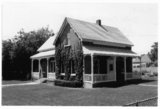
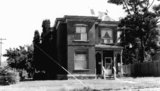
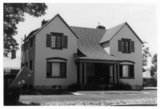
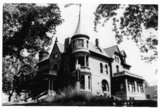
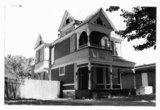
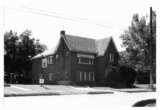
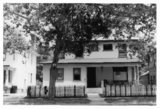
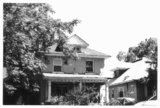
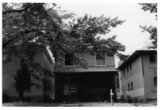
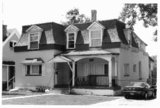
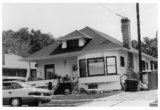
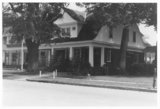
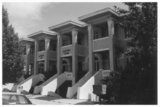
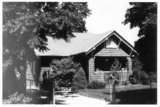
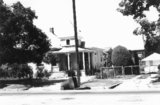
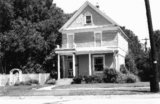
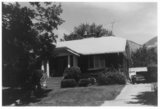
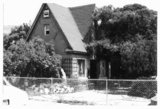
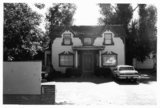
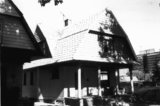
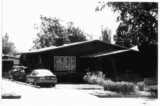
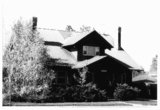
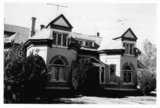
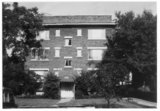
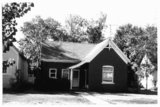
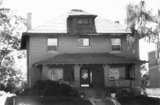
Show OMB No. 1024-0018, NPS Form United States Department of the Interior National Park Service National Register of Historic Places Continuation Sheet Section No. 8 Page 9 Ogden Central Bench Historic District, Ogden, Weber County, UT Americanized." Several of the party members lived in the bench neighborhood, including Mayor Kiesel, who resided on the corner of 25th and Adams (demolished), and City Recorder John W. McNutt, who resided in an attractive Eastlake Victorian dwelling at 614 24* 1 Street (Photo 16). One of the most noticeable changes the Liberal Party brought about while in office was the changing of the street names in the city. Several of the original names were named after Mormon figures, such as Smith and Young; they were then replaced with the names of the United States Presidents. Not only were the Liberal party members involved in politics, they were also involved in business and most importantly real estate. For instance, in 1888 and 1889, when the city offered lots for sale in Plat C of the city (which approximately makes up the eastern quarter of the Central Bench District), four-fifths of the lots were bought up by Liberal Party members.33 By 1889, the Mormons and "Gentiles" (as non-Mormons were known locally) clearly started to mesh. As the bench community's expansion continued in 1889, the area was not free of problems. In addition to the sanitation and public health issues, in Ogden the question of how to build and how to divide lots and blocks became a key issue. The concern of dividing blocks and lots stemmed from the way the blocks were carved into lots from the original Mormon town plan. Each consecutive block was reversed in the laying out of the lots. For example in one-half of the blocks the lots were twenty rods north and south by eight rods east and west, with the other blocks just the opposite. Narrowing the, streets was also a popular topic of discussion. Many residents thought the streets to be a nuisance and that the cow-pasture and hay-wagon period had passed, thus the large streets were no longer needed. By narrowing the streets, property owners would have more land for their lots, and then sidewalks and roads could be paved with more ease. The construction of the era started to see new styles and better methods used in building. No longer were the shoddy building styles of the past acceptable, and builders were shied away from doing so, and according to a local newspaper, "They should be absolutely prohibited."34 Indeed, the new buildings were constructed using better materials and craftsmanship never before seen in the city, and the hundreds of well-built Victorian homes remaining today in the district are testament of it. More of the same continued throughout the end of 1889. Ogden was forging ahead and construction was vigorously underway by the early months of 1890. The population in Ogden was growing immensely, thus creating a pressing need for more housing. At one time the need for housing became so severe a group of men got together and formed a company that set out to import prefabricated homes from St. Paul, Minnesota. The homes were known as "famous" Totman houses, and were to be 1 1A stories tall with six bedrooms, costing $1000. At least one of these homes was constructed in the district in July of 1890, just east of Liberty Park. 35 Architects, builders, and realtors continued to flock to the city in record numbers. In fact, prior to 1888 real estate dealers in the city were very scarce, but by 1891 over 100 dealers could be found within the city. One of the most famous events held in Ogden during its boom days occurred in July of 1890, when Ogden realtor William Hope "Coin" Harvey, along with his fellow boosters the Order of Monte Cristo, tried to promote an 32 Roberts and Sadler, Weber County. 33 Ogden Standard. "City Lots for Sale," 31 July 1889. 34 Ibid, 8 May 1889. 35 Ibid, 25 June and 19 July 1890. |