| OCR Text |
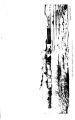
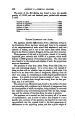
Show EASTERN SHORE OF THE LAKE. 213 tality of the region we were obliged to traverse, have made this survey one of unusually arduous and protracted toil. But the salubrity of the climate is such that, notwithstanding our constant exposure to the vicissitudes of the elements, a large portion of the time without the protection of tents, not a man was seriously unwell, and most of the party were in the uninterrupted enjoyment of robust health. The survey of the eastern side of the lake had, in the mean time, been completed by the party under Lieutenant Gunnison. The following extract from his report to me, will sufficiently exhibit the character of this portion of the valley:- " To recapitulate and give the result of the field- notes. Two lines have been located, the shore of the lake and base of the hills, in order to give the flat occupied by the farmers. These lines are determined by the three- point problem, as numerous points of the triangulation afforded facilities, and we had no boat on the lake. " The land on the north of Bear- river Bay, ten miles wide to the base of the hills, is a clay barren. Numerous springs issue from the hills, which soon sink. They are all more or less brackish, but seem to answer well for cattle. There is fine pasturage in the high grounds. The clay- flat has numerous buttes about six feet above the lower plain: these are islands left by the washing down of the original level, and have nearly perpendicular sides. The lake waters are driven by storms over the flat and wash off from the buttes, which will soon disappear. Drift- wood is found some miles from the present shore. Light carriages can be taken over the flat near the Bear River outlet and along the shore: the shore intervening, to the hills, is soft and impracticable. In the Salt Lake Valley, on the Bear and Malade rivers, is some excellent soil for grain. Fifty miles could be irrigated, but the expense would be heavy in constructing a dam at the " gates"- that is, where Bear River breaks through the Wahsatch range. The river at the ferry was two hundred feet wide and twelve deep." « Near the river, and twelve miles below the « gates/' are the hot and cold springs. They issue at the foot of the flanking terrace of hills, and have excavated for themselves a circular hole, fifteen feet deep, with sloping sides and a deep channel leading into the meadow. There are currents issuing between different strata of conglomerate and limestone, within a few feet of each other, of which one is a hot sulphur, a second warm and salt, and the third |