| OCR Text |
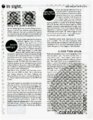
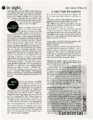
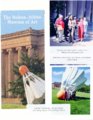
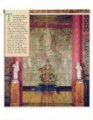
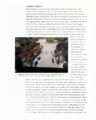
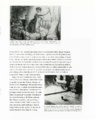
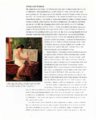
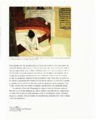
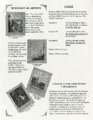
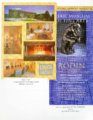
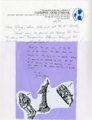
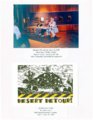
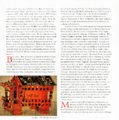
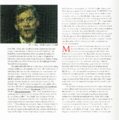
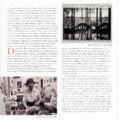
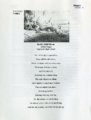
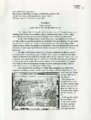
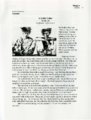
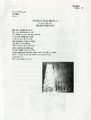
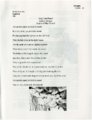
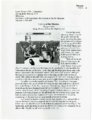
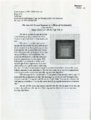
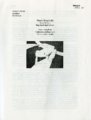
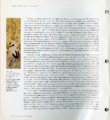
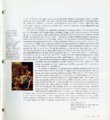
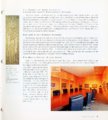
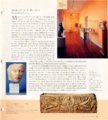
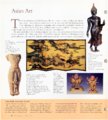
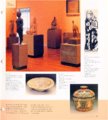
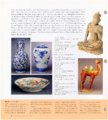
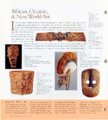
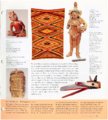
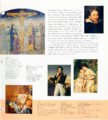
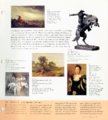
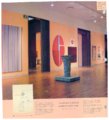
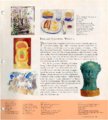
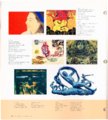
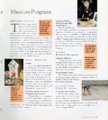
Show FAR LEFT American, Navajo (late 1800s) Germantown Eyedazzler Aniline dyed wool and cotton 85 X 53 1/4 111. The Judge Willis W Ritter Collection of NavaJO Textiles Museum # 1975.078.020.013 LEFT M exico, M ayan, region of Copan? Late/Terminal Classic penod ca. A.D. 800-950) Male Standing Figure with Pe,forated Phallus and Box Terracotta with red and black polychromy Height 9 7/s in. Purchased with funds from Fnends of the Art Museum Museum # 1988.021.001 ABOVE M exico, Coluna ca. A. D . 200) Seated Figure Ceramic H eight 14 m. Purchased with funds from Fnends of the Art Museum Museum # 1985 .004 BELOW Indonesia, Inanjaya, Asmat culture (late 1900s) Traditional ] a111as shield) Rhizophore wood, pigment, sago leaf Gift of Stephen C. C hiaramonte Museum # 1998.57.3 BELOW These life-like terracotta funerary figunnes, while only 5 to 15 mches high , are so accurate m detail they could have been portraits of the deceased. They take the form of men and women, chiefs, pnests, warnors and ladies who are represented m all the vanety of their colorful costumes and sumptuous ornaments. To a core of Oceamc matenal has been added maJor British Columbia, Kwakmtl culture R aven Mask W ood and polychromy pigments 111/2 X 35 X 611/16 in. Ulfert Wilke Coliect10 n, purchased with fund s from Fnends of th e Art Museum Museum # 1981.016.002 works from the Asmat people of New Gumea. Notable also withm the Oceamc collection are a Malanggan Fneze and a Tatanua Mask from New Ireland, examples of the type of art pieces created for the Malagan ceremony The name, "malagan," is taken from the clan ceremony to honor the dead. A strikmg feature of malagan sculptures is the wealth of motifs used m a smgle piece: human heads, birds, fish, snakes, pigs, feathers, scrolls, and lattice work. S TE PH EN S C CHIARAMONTE tephen C Chiaramonte was among thefirst ttnefficial Westerners to visit the Asmat area ef Irian ]aya on the island ef N ew Guinea in 1992 H e has rnade several subsequent visits, each time traveling extensively by canoe and foot to reach the extremely remote home ef this 400 year old civiliz ation. Though not an art historian or anthropologist by training, Mr Chiaramonte has devel- oped a passion for the art and culture ef the Asmat while building a career as a succesifttl corporate executive. H e curated an important exhibition ef Asmat material at the Museum in 1998, and subsequently donated many objects that reflect the unique, highly refined, and dynamic aesthetic wlture ef the As mat. Mr Chiaramonte's generosity and vision provide Museum visitors with a rare opportunity to learn about one ef the world's most extraordinary cultural treasures [ 1\ ' A l'C l ' R A L R l:' PORT 27 |