| OCR Text |
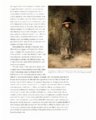
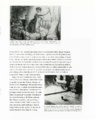
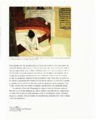
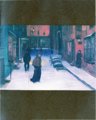
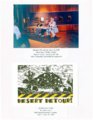
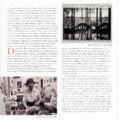
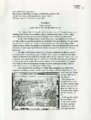
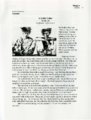
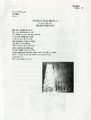
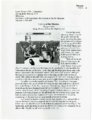
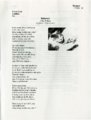
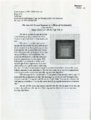
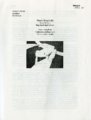
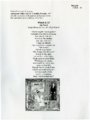
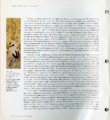
Show 5. John Sloan, Turning Out the Light, from the series New York City Life, 1905. Etching: sh eet, 7 13/16 x 11 1/4 in. (19.8 x 28.6 cm); plate, 4 5/8 x 6 5/8 in. {11.7 x 16.8 cm). Whitney Museum of American Art, New York; purchase 31.821 Despite the fact that his paintings continued to be overlooked by critics, Hopper began to build a reputation for his etchings, which he started to produce in 1915. His prints mainly featured urban scenes and other subject matter akin to that of the urban realists. A decade earlier a series of ten John Sloan etchings with similar subject matter had been rejected for exhibition by the American Water Color Society including Turning Out the Light (1905; fig. 5), on the grounds that they were vulgar depictions of femininity and the tenement lifestyles of the lower class. Hopper, however, encountered few obstacles either commercially or critically, and the works were a success. He continued to etch until 1923 with increasing success, and etchings such as Night Shadows (1921 fig. 6) and East Side Interior 1922 are today as recognizably Hopper as some of his paintings. Hopper received his first one-artist exhibition in 1920 at the Whitney Studio Club, which eventually became the Whitney Museum of American Art. Surprisingly the majority of the works he chose to exhibit were from his earlier years in Paris, although he contributed a few paintings he had executed in Maine. The exhibition was modestly successful, with most of the reviews focusing on the Maine paintings. The Whitney exhibition convinced Hopper that he should commit himself to painting American themes and landscapes, subjects that proved to be the catalyst for the critical acclaim that had eluded him for so long. 6. Edward Hopper, Night Shadows, from the portfolio Six American Etchings (Series I) , 1921. Etching: sh eet, 9 5/8 x 11 in. {24.4 x 27.9 cm); plate, 6 7/8 x 8 3/16 in. {17.5 x 22.4 cm). Whitney Museum of American Art, New York; gift of Gertrude Vanderbilt Whitney 31.691 |