| OCR Text |
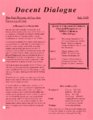
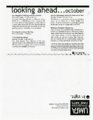
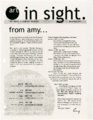
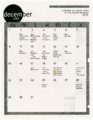
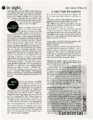
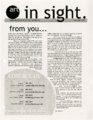
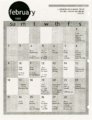
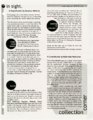
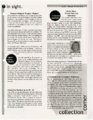
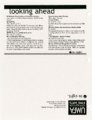
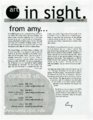
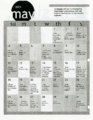
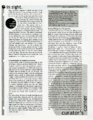
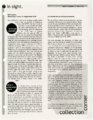
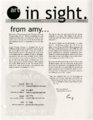
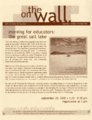
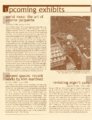
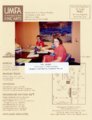
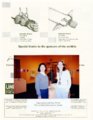
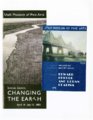
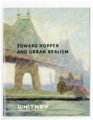
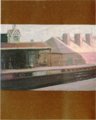
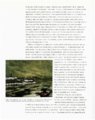
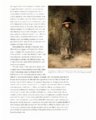
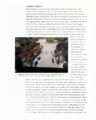
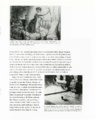
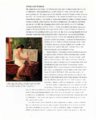
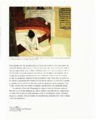
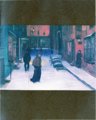
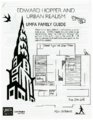
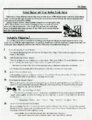
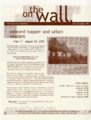
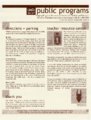
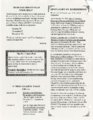
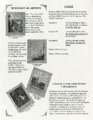
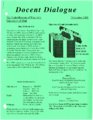
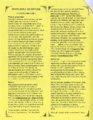
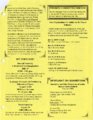
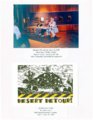
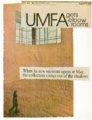
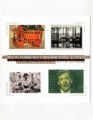
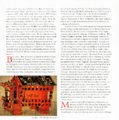
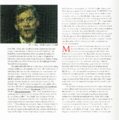
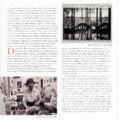
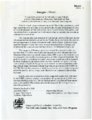
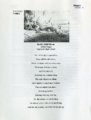
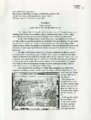
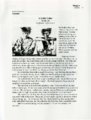
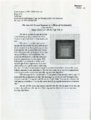
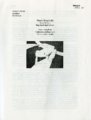
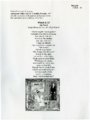
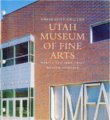
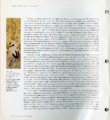
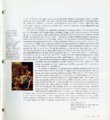
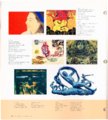
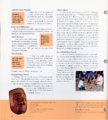
Show eaward hopper and urban ~ [e_alism may 17 - august 24, 2003 The Utah Museum of Fine Arts is proud to present Edward Hopper and Urban Realism, May 17 through August 24. This traveling exhibition is provided from the outstanding permanent collection of the Whitney Museum of American Art in New York City. American Artists' Responses to the Modern Urban Environment American culture was forever changed by the industrial and technological renaissance at the turn of the 20th century. City populations pulsed with a new wave of immigrants and an influx of rural Americans, each seeking to improve their fortunes. Many found only poverty, injustice and alienation. These cultural changes were reflected by a unique group of American artists dubbed "The Eight," by media and also known as the Ashcan School. Led by Robert Henri, the Ashcan School strove to represent a unique artistic American identity. Henri believed that the essence of art was life. He urged his students to take inspiration from the city streets, to find beauty in commonplace activities and ordinary people and to create "art for life's sake," rather than " art for art's sake." Edward Hopper, a student of Robert Henri and often defined as the most original American painter of the early twentieth century, is known for his realistic portrayals of an emotionally-alienated American society juxtaposed between the materialism of the 1920s and the Great Depression. The period's despondent climate is evidenced by his poignant expressions of isolation and alienation experienced by working Americans. Edward Hopper Queensborough Br,idge, .1913 Oil on Canvas, 25 7/8 x 38 1/8 in. (65.7 x 96.8 cm). Whitney Museum of American Art, New York, Josephine N. Hopper Bequest, 70.1 184 admission: call 801.581.5163 to reserve tickets members: FREE adults: $7.00 students: $3.50 seniors: $3. 50 university of utah students: FREE WHITNEY This exhibition was organized by the Whitney Museum of ON TOU R American Art. On the Wall is made possible in part by the William Randolph Hearst Endowed Fund for Education and the Suzanne M. Scott Endowment for Museum Programs in Honor of James and Louise Moyle |