| OCR Text |
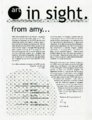
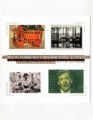
Show FRICAN AMERICAN ART, LIKE THE PEOPLE AND CULTURE IT REFLECTS, is a record of exploration, introspection and struggle. It is fundamentally a history of discovery and reclamat10n that has resulted in the successful evolut10n and express10n of a powerful cultural identity Despite a history of exclus10n from educational opportunities, Afncan Amencans found m visual images and the wntten word significant venues for personal express10n. While the spoken word, grounded m the orahty Afncan slaves brought with them from Afnca, remains a tool of great importance withm the Black community, the wntten word provided new strength and power to their articulation of self and cultural identity It provided them with a voice m a world which seemed determined to define, hmit and silence them. Visual images were also integral to the African American community's collective voice. Iromcally, visual images were also the historical currency in countless campaigns by Whites to define negative and fearful images of Black Americans. African American artists have long understood the power of visual images to speak against these stereotypes and to establish new symbols, representat10ns, role models and icons of digmty and strength. When brought together by the skillful artist, image and text create a powerful tool in molding a new identity. During the Harlem Renaissance, image and text were used in collaboration between Langston Hughes and Aaron Douglas to redefine accepted standards of visual and literary representat10n. Also, at the peak of the Civil Rights Movement artists like Elizabeth Catlett and Charles White synthesized text and image to create works that educated and inspired those committed to the cause. Today, in the post modern era, artists continue to freely weave multilayered works from image and text to shape an understanding of themselves and to mold America's percept10n of the African American community. READING BETWEEN THE LINES. Image and Text by Contemporary African American Artists brings the visual image and the written word together in art works of great directness and elegance by four of today's most progressive artists: Beverly Buchanan, Howardena Pindell, Clarissa Sligh and Deborah Willis. For them, the incorporat10n of text and image is a natural result of deeply introspective and intellectual approaches to their lives and communities. Each artist utilizes these distinctive elements to fulfill her natural role as visual artist, story teller, educator, historian and cultural healer. Each artist has looked deep within herself and her community, and has turned a critical eye toward history, social norms, contemporary race relat10ns, political events, figures and promises. Buchanan, Pindell, Sligh and Willis explore a wide range of issues including relat10nships, family, community, gender roles, AIDS and global politics. Interwoven throughout their work are also issues more clearly defined by American race relations including slavery, the Civil Rights Movement, past and present stereotypes, media representation, ethmc identity and contemporary race relat10ns. These exceptional artists explore diverse and vital issues with the wisdom of a teacher, the craft of a story teller, the frankness of a Journalist, the understanding of a soc10logist and the anger of a protester. The combination of text and image creates works that are rich and multi dimensional, addressing the viewer on numerous levels. The viewer is drawn into the emotional level of the visual image and simultaneously confronted with the intellectual response to the |