| OCR Text |
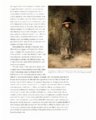
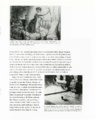
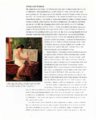
Show 8. Edward Hopper, Summer Interior 1909. Oil on canvas, 24 x 29 in. (61 x 73.7 cm). Whitney Museum of American Art, New York; Josephine N. Hopper Bequest 70.1197 of an unmade bed. The diagonal perspective leads the viewer into the room where the shuttered windows allow an area of light to spill across the floor, dramatically heightening the tension of the scene. In Sloan s Kitchen and Bath 1912 fig. 7), a woman, clad in a slip, bares her legs as she awkwardly perches on a tub in order to wash herself. She is bathing in her kitchen, which also serves as a washroom, and must remain partially covered due to the lack of privacy in the dual-purpose room. Sloan elicits sympathy for his subject by portraying the womans lack of comfort and privacy due to her economic constraints. Summer Interior on the other hand, comments less on the humanity of the subject, and uses the composition to explore a sexual tension and indefinable drama. The reduction of the role of humanity in Hopper's work has led some critics to describe it as cold and hardened. For others, Hopper's carefully ordered compositions resonate with emotional clarity and universality By subduing the factors of human drama and emotion, Hopper permits the compositional elements in his work to create their own significance. Maura Heffner Assistant Curator and Manager, Whitney on Tour |