| OCR Text |
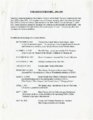
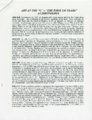
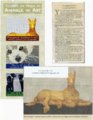
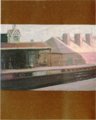
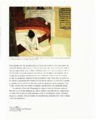
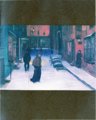
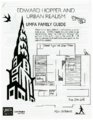
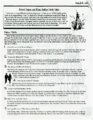
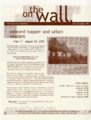
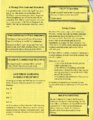
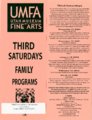
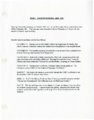
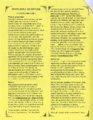
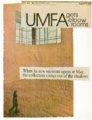
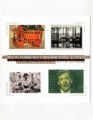
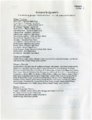
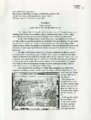
Show Edward Hopper and .Urban Realism Family Guide There are so many different and exciting ways to look at art. UMFA family guides work as an entertaining "map" to lead you through the galleries hunting for clues in the artwork. Fill out the answer card and claim your prize at the end of the exhibit! Ed~ard Hopper and the Urban Realists created their art during the early I 900's. These artists documented a changing society as people started to drive cars, ride on commuter trains to get around town, and work long ho~rs in factories. How does America in the I930's look and feel different from the America of today? New 'fork Each of the pieces of art listed below show what it was like to live in New York in the early century, through the Depression, and into the post World War I years. As you walk through the galleries, imagine being a resident of the city that is painted here. See if you can find t~e cars they drove, the rooms they sat in, the clothes they wore, the places they worked and went to be entertained. Catch a glimpse of New York in the early I900's. I. East Side Interior by Edward Hopper Hopper frequently used an art perspective called voyeurism, which shows people in places where they think they are alone. Some people believe Hopper's etchings contributed to the genre of film noir, movies filled with mood, voluptuous, two-timing women and murder What is in the shadows of this painting? 2- 3. Groggy by Mahonri M. Young Boxing was illegal in the early 1900's, due in part to the gambling and drinking that went along with it. Only private clubs could get away with holding matches. In 1920 New York finally passed a law legalizing public boxing. Examine this prizefighter's body Would you bet on him to win the match? The Bowery by Glenn 0. Coleman The Bowery is a street in New York, which even today is known as the world's most famous skid row Coleman painted all aspects of life in the big city, even cheap bars and dirty streets. In the early 1900' s, some bars on the Bowery did not even have glasses or mugs. Long rubber hoses were attached to barrels of alcohol. For three cents, a customer could take one breath-long drink from the hose. If you were walking down this street in the 1930' s, what would you expect to see? a..1-. 5. Third Ave by Glenn 0. Coleman In some ways, life in America has not changed at all in the last 75 years. Most of us still have to work for a l~ving. How many different professions can you find in this lithograph? Shopper by Kenneth Hayes Miller In 1929 the American Stock Market crashed, causing countless people to lose their jobs. This was known as the Great Depression. Miller's painting shows that life still goes on and that some women still go shopping. During this time women always wore hats when they went out in public. When do women wear hats today? '=,. Office Girls by Raphael Sayer In 1933, one-third of Americans did not have proper housing, adequate clothing or enough food to eat. Many women entered the workforce for the first time and took whatever jobs they could find. Where do you think the women in this painting work? 1. Sixth Ave Elevated at Third Street by John Sloan It is a Friday night, 1928 in New York City. You have a crisp five dollar bill burning a hole in your pocket, a date on your arm and a few hours to kill. Think about the paintings that you have seen. How would you spend your evening? |