| Title |
Dixie Project legislation, 1963-1964 |
| Description |
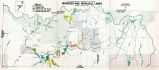
Papers, correspondence, news articles, and text of Congressional bills about the Dixie Project, southwestern Utah |
| Subject |
Dixie Project; Water-supply--Utah--Washington County; Water resources development--Utah--Washington County; Irrigation--Utah--Washington County;Water-supply--Utah--Iron County; Water-supply--Utah--Cedar City |
| Contributor |
Clyde, George Dewey, 1898-1972; Bingham, Jay R.; Beasley, D. Otis; Bennett, Wallace F. (Wallace Foster), 1898- ; Carter, Luther J. |
| Additional Information |
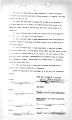
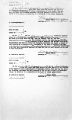
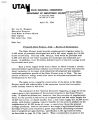
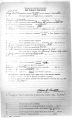
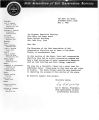
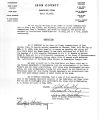
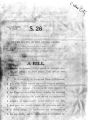
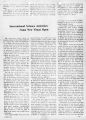
Includes: Newspaper articles on Dixie Project, 1963-1964; Copies of 1953 agreements on use of Kolob Reservoir water; Applications for diversion of Crystal Creek; Congressional Record text of House bill H.R. 3279 and Senate bills S. 26 (from 1961 by Frank Moss) and 655 (from 1963 by W.F. Bennett); Statements of support from Utah Gov. George D. Clyde; Jary R. Bingham (Director of Utah Water and Power Board), Senator Wallace F. Bennett and others; 88th Congress, 2d session, House of Representatives report no. 1725, "Dixie Project, Utah, Report to accompany H.R. 3279" by D. Otis Beasley, Asst. Sec. of Interior; and final legislation, Pub. Law 88-565, approved Sept. 2, 1964, "An act to authorize the Secretary of the Interior to construct, operate, and maintain the Dixie project, Utah, and for other purposes." Also includes article, "Grand Canyon: Colorado dams debated," by Luther J. Carter, fromScience vol. 152 (17 June 1966), p. 1600-1605 |
| Spatial Coverage |
Crystal Creek (Utah); Kolob Creek (Utah); Kolob Reservoir (Utah); Virgin River Basin; Santa Clara River (Utah); Washington County (Utah) |
| Collection Number and Name |
Accn0823 bx 30 fd 8; ; John S. Boyden papers |
| Rights Management |
Digital Image Copyright 2009, University of Utah. All Rights Reserved. |
| Holding Institution |
J. Willard Marriott Library, University of Utah |
| Date |
1953; 1961; 1963; 1964; 1966 |
| Digitization Specifications |
Original scanned on Epson Expression 10000 XL and saved as 400 ppi TIFF. Display image generated in CONTENTdm. |
| Publisher |
Digitized by J. Willard Marriott Library, University of Utah |
| Type |
Text |
| ARK |
ark:/87278/s61835g2 |
| Setname |
wwdl_neh |
| ID |
1148037 |
| Reference URL |
https://collections.lib.utah.edu/ark:/87278/s61835g2 |
| Title |
Page 73 |
| Setname |
wwdl_neh |
| ID |
1148016 |
| OCR Text |
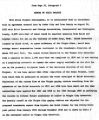
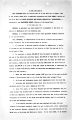
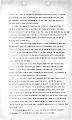
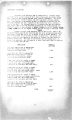
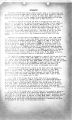
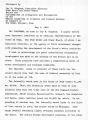
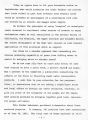
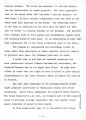
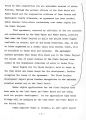
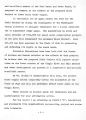
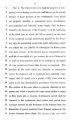
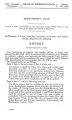
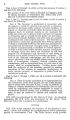
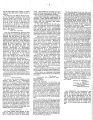
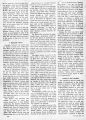
Show (• ( DIXIE PROJECT, UTAH 3 irrigation water for 21,060 acres of land of which 9,445 acres would receive supplemental water and 11,615 acres would receive a new irrigation water supply. The project would also provide municipal and industrial water for the city of St. George, Utah. Electric energy for project use and commercial sale also would be produced. In addition, extensive benefits to fish and wildlife enhancement and recreation would accrue and operation of the project would provide flood protection along the stream. BACKGROUND The Dixie project area is located in the Virgin River Basin in Washington County in southwestern Utah. The Virgin River rises in Utah and flows through parts of Arizona and Nevada before joining the Colorado River at the lower arm of Lake Mead. The Virgin River Basin, therefore, forms a part of the Lower Colorado River Basin as defined by the Colorado River compact. The Dixie project receives its name from the part of the Virgin River Valley in which it is located. This reach of the valley is known as the "Dixie of Utah" because it has a comparatively mild climate and because cotton was grown in the valley when it was first settled. The first settlement in the Dixie area began about 1852 and St. George, the county seat of Washington County and located near the center of the project area, was established in 1861. Agriculture is the basic natural resource in the valley, but the climate is arid with rainfall averaging only about 8.42 inches a year. The available water supply is inadequate and undependable. The need for a dependable water supply has been recognized for more than 60 years and the plan of development for the Dixie project is the culmination of many years of investigations by local, State, and Federal officials. The first Bureau of Reclamation report was issued in 1940 but the project was delayed by World War II. NEED An adequate and predictable water supply for irrigation is a paramount necessity to stabilize and revitalize the agricultural economy and support municipal and industrial growth in the Virgin River Basin in Utah. Water storage facilities are the primary need of the project area. Development of such facilities would enable the conservation and orderly release of water that is now largely wasted. There is available water and fertile land that can grow valuable and needed crops if a firm and regulated water supply is available. Equally important is the need for municipal and industrial water for the rapidly growing St. George and other Washington County communities and for Cedar City in Iron County. At present the inadequate water supply is limiting the growth of these communities. St. George and other communities in Washington County are increasingly being called upon to provide facilities and services for tourists and visitors to Zion National Park, Bryce Canyon National Park, and the other important recreational areas in southwestern Utah. The electric energy which would be made available is needed to meet the growing power requirements in and adjacent to the project area. |
| Reference URL |
https://collections.lib.utah.edu/ark:/87278/s61835g2/1148016 |