| OCR Text |
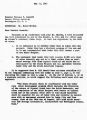
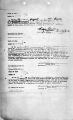
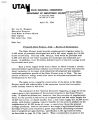
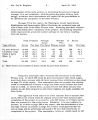
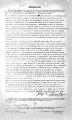
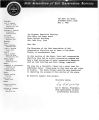
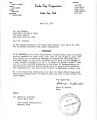
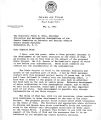
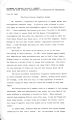
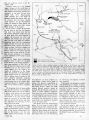
Show FORM !526 UTAH STATE INDUSTRIAL COMMISSION DEPARTMENT OF EMPLOYMENT SECURIT 174 SOCIAL HALL AVENUE SALT LAKE CITY 10, UTAH April 25, 1963 EPLY RtFER TO PH Mr. Jay R. Bingham Executive Director Utah Water _t Power Board State Capitol Salt Lake City, Utah f'f.par. R«f>)v_ "AinwwJ Dear Jay: Proposed Dixie Project, Utah - Bureau of Reclamation The Dixie Project would provide supplemental irrigation water to 9, 445 acres of presently developed land and a full water supply for 11, 615 acres of new land. The city of St. George, Utah would be provided with 5, 000 acre feet of new water annually for municipal and industrial purposes. In addition, over 46 million kilowatt hours of electric energy would be provided each year. Such a water supply would form a basis on which to build a revitalized and modern agricultural industry and would also provide the essential water necessary to increase local industrial development and maintain continued population growth of the Dixie Project area in Utah. The new source of electric energy would also serve to stimulate and attract new developments to the area. The lakes to be created by construction of the dams in the Dixie Project would add substantially to the numerous tourist and recreation areas already extant in this area. The statement of the "General Economy" beginning on page 20 of the report gives a fair appraisal of the present situation in the Dixie Project area. It should be pointed out, however, that the provision of supplemental water for the present 9,445 acres of irrigated land and full water supply for 11, 615 new a c r e s , or stated another way, a full water supply for 21, 060 acres would, with double cropping, make it feasible for the area to produce in the neighborhood of 40,000 acres of crops - - n e a r l y four times the present acreage produced. Such an increase in the usage of agricultural lands of the Dixie Project area would be a great step toward alleviating a present lack of employment opportunities, specifically in the agricultural field, as described on page 36 of the report. When consideration is given to the |