| OCR Text |
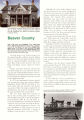
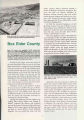
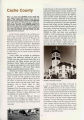
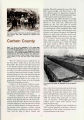
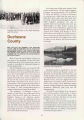
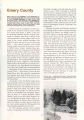
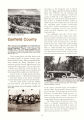
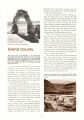
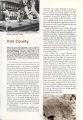
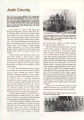
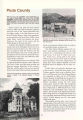
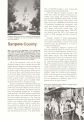
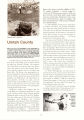
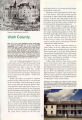
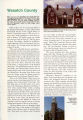
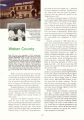
Show Ogden Union Station now houses several maior museum collections. Inset: During 1890- 1940 the railroad was the most important employer of Blacks in Utah. Weber County Area: 644 square miles; population: 158,800; county seat: " 4 den; origin of county name: from early trapper John Weber; p ncipal clties/ towns: Ogden ( 67,490), Roy ( 23,500), South Ogden ( 12,240), North Ogden ( 10,660), Washington Terrace ( 7,990); economy: defense, transportation, warehous~ ngd, ~ stnbu-tion, retailing, tourism, recreation, health care, printing; points of Interest: Ogden Union Station ( Brownin Firearms Museum, Browning K~ rnball Vintage Car Collections, Fort Buenaventura State Park, Pineview Reservoir, Willard Bay State Park, Snow Basin, Powder Mountain, Nordic Valle Ogden's Historic 25th Street, Ogden Nature Center, Abbey of 8ur Lady of the Holy Trin-ity in Huntsville, Weber State College, Eccles Community Art Cen-ter. Weber County has long been the crossroads of Utah and the Intermountain West. Its east-ern boundary is the spine of the Wasatch Moun-tains with their towering peaks and sharp val-leys. It extends to the west into Great Salt Lake. Both mountains and flatlands are laced by the Ogden and Weber rivers and their tributaries. Nomadic Shoshone, Ute, and prehistoric In-dians favored the area for centuries, hunting in the mountains and foothills and fishing in the streams. Mounds near the confluence of the Weber and Ogden rivers contain remains of their camps. American and British mountain men en-tered the area in the early 1800s, trapping beaver and trading with the Indians. Famed Jim Bridger became in 1824 the first white man to report sighting Great Salt Lake. Peter Skene Ogden traversed the high valley just behind the Wasatch Front in 1825 and is remembered in the name of the area's largest city - although he never visited the actual site. The first accu-rate maps of the area were drawn by John C. Fremont after he visited the mouth of the Weber River in 1843. Permanent settlement began in 1843 when horse traderltrapper Miles Goodyear built a fort and trading post on the banks of the Weber River, near where it meets the Ogden River. Late in 1847 he sold his claim to James Brown, a veteran of the Mormon Battalion, for $ 1,950 in gold coins, and the property became Brown's Fort, also known as Brownsville. Within three years the community had 1,14 1 residents and its name was changed permanently to Ogden and the surrounding area designated as Weber County. Growth accelerated in 1869 when the na-tion's first transcontinental railroad was com-pleted on May 10 at Promontory Summit, 60 miles northwest of Ogden, but the junction for transfer of rolling stock, passengers, and freight was quickly moved to more conveniently located Ogden, nicknamed ' Junction City." Other in-dustries established included woolen mills, can-neries, livestock yards, flour mills, breweries, iron works, banks, hotels, and telephone, tele-graph, and power companies. Ogden inventor John M. Browning patented in 1879 a new single- shot rifle - the first of more than 100 firearms developed by the Brownings and sold all over the world. Weber County's next sizeable population ex-plosion came just before and during World War 11 when the military built Defense Depot Ogden in northern Weber County and Hill Air Force Base and the Naval Supply Depot in nearby Davis County. DDO and Hill continue to pro-vide many jobs for Weber residents. The war also placed increased demands on the transpor-tation network, and nearly 150 regular and spe-cial trains moved through Ogden's Union Sta-tion on many days in 1944. Weber County has definitely entered the space age. A number of aerospace industries have offices and other facilities there, and man-ufacturing plants produce powerful, miniature jet engines for aircraft and missiles and Jetway loading bridges for airports worldwide. Weber State College with some 11,000 students, the U. S. Forest Service regional headquarters, the IRS Service Center, and the McKay- Dee and St. Benedict's hospitals are among the county's major employers in the 1980s. |