| OCR Text |
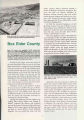
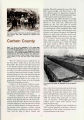
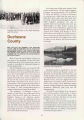
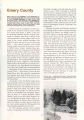
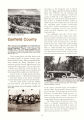
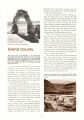
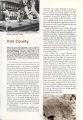
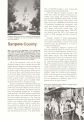
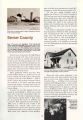
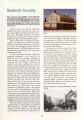
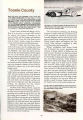
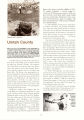
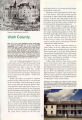
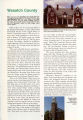
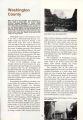
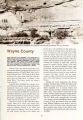
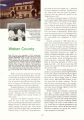
Show Removing a dead miner from the Winter Quarters mine I near Scofield, May 1900, following an explosion that killed 200. I Carbon County Area: 1,476 square miles; population: 22,700; county seat: Price; origin of county name: from the vast amounts of coal found there; principal citiesltowns: Price ( 8,980), Helper ( 2,700), East Carbon ( 1,660), Wellington ( 1,640); economy: coal mining, transportation, energy; points of interest: Helper Historic District, Scofield Reselvoir, Price Canyon Recreation Area, Western Min-ing and Railroad Museum in Helper, College of Eastern Utah Pre-historic Museum in Price, Nine Mile Canyon, Greek Orthodox Church. Most of Carbon County's residents live in the Price River Valley and at the foot of the Book Cliffs. The western end of the county rises to the Wasatch Plateau and slopes down east-ward to the Price River which cuts through Cas-tle Valley. This valley stretches across the south-ern half of Carbon into Emery Coupty, with the Wasatch Plateau on the north and west and the Book Cliffs all along the east. The Green River marks the eastern border of the county. Geo-graphically, Carbon County is in the ~ blorado I Plateau physiographic province. Evidence of the Fremont Culture is exten-sive in the county. Figurines have been discov-ered as well as many rock art panels, such as the " Head Hunter" located in the Gordon Creek area. Evidence of prehistoric life includes many I dinosaur footprints found in coal mines. Mormon settlements were established all I along the Price River in the late 1870s. The high barrier of the Wasatch Plateau had delayed set- I I tlement until that time. Routes into the region included offshoots of the Old Spanish Trail and a trail over Soldier Summit. Farming and ranch-ing became early economic activities, giving Carbon County a tradition of cowboys and out-laws, with the likes of Butch Cassidy and Gunplay Maxwell roaming the area. The Nine Mile Canyon freight road from Price to the Uinta Basin became an important transporta-tion link. In 1894 the territorial legislature sepa-rated Carbon County from Emery County. During the early 1880s the Denver and Rio Grande Western Railroad, seeking a route from Denver to Salt Lake City, discovered and opened up the vast coal lands of Carbon County. Coal mining became the major catalyst for development. Coal companies often built and ran towns in Carbon and imported many southern and eastern European and Japanese laborers to work in the coal mines and on rail-road gangs. Helper became known as the town of " 57 Varieties" because of its ethnic diversity. Mine explosions near Scofield in 1900 ( 200 killed) and at Castle Gate in 1924 ( 172 killed) and major strikes in 1903- 4, 1922, and 1933 brought tragedy, violence, and eventual unioni-zation to the mines. Coal mining continues to Coal graded and ready for shipment at the rail yards in Helper. play a vital role in economic and social develop-ment, with ups and downs in the industry treat-ing periods of boom and relative bust. Utah Power and Light built a main electric generating plant near the former town of Castle Gate. In 1980 the Carbon Plant generated 171 mega-watts of electricity. Ninety- eight percent of UP& L's power comes from thermal steam plants that burn coal. The College of Eastern Utah, established in 1937 in Price, promises to become a more im-portant facet of the county's economic and so-cial development in the future. |