| OCR Text |
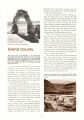
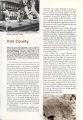
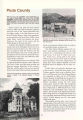
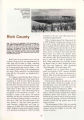
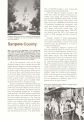
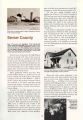
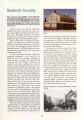
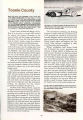
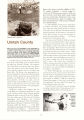
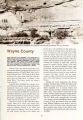
Show .. ,> b - .'.* >#***-, - I - .+, ,, Worseshoe ( Barrier) Canyon pictographs are among the finest examples of prehistoric rock art in the world. Wayne County Am: 2,486 square miles; population: 2,100; county mat: Loa; odaln d county name: named after state leaislator Willis E. Rob-d sso n Wa+; prlnclpal citkaltow16 Loa ( 450), Bickneli b3a 8p0it) o; l eRceoenfo amnyd: Ccaantytleo, n lalunmdsb eNr, a ttioounraisl mPa; rkpsa, l nHtosr soefs hInoete ( rBeasrt-: rOieffr I c eC aanndy oGnr apnicatroyg, Trahpohuss, aFnrdu Lltaak Sec Mhoouonlhtoaiuns ( e1, 1 T, 3e0a5s dfeaelet) . T ithing Wayne County lies entirely within the color-ful Colorado Plateau geographical province and includes portions of Capitol Reef and Canyon-lands National Parks. The Fremont River flows ' south into the county from Fish Lake and then east to join the Dirty Devil, a tributary of the Green River. The Green marks the county's eastern border. Scientists have identified the remains of ex-tinct Pleistocene species such as the sloth, horse, mammoth, bison, and camel in Wayne and dated Archaic and Fremont Indian sites ( Cow-i boy Caves) tb between 6300 B. C. and 450 A. D. Horseshoe ( Barrier) Canyon and the Maze sec-tion of Canyonlands in eastern Wayne contain spectacular pictographs. In historic times the county was part of the Ute Indians' domain. Wayne was created in May 1892 from Piute County. Most of its towns were settled after 1880 because of the remote location and limited resources. Raising livestock is the oldest and most important industry. Beef cattle produce the most income, but dairy cows, sheep, and poultry have all contributed to the local econ-omy in the past. Getting cattle to market was dif-ficult. Until good roads were built in the 1930s stock was driven some 100 miles north to the railroad at Nephi and later to a Denver & Rio Grande branch line in Sevier County. The crea-tion of national forests in the early 20th century reduced the number of cattle that could be grazed in western Wayne County, and cattle rustling by the notorious Robbers Roost gang threatened ranchers until the late 1890s. The lumber industry and, in more recent years, tourism also provide income for some residents. Uranium has been mined, and tar sands, another energy- related resource, await develop-ment. The state operates two fish hatcheries in Wayne. During the Great Depression the Works Progress Administration ( WPA) provided funds to build a county courthouse in Loa. County of-ficials originally met in private homes and rented quarters and later converted a store into office space. The Civilian Conservation Corps ( CCC), another federal program during the de-pression, operated three camps in the county. The CCC built roads, campgrounds, and small water projects. Road building has been a major concern of local government from the begin-ning. Modern highways now make it easy for tourists to drive to many scenic attractions and give residents easy access to the nearest com-mercial center and medical and other services in Rich field. |