| OCR Text |
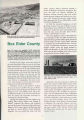
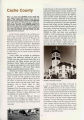
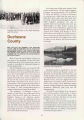
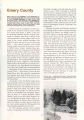
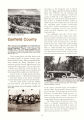
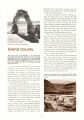
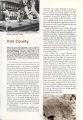
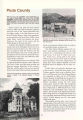
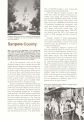
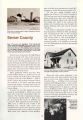
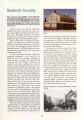
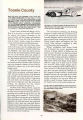
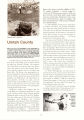
Show Cache County Area: 1,171 square miles; population: 65,500; county seat: Logan; origin of county name: derived from the French verb cacher, ' lo hide," because early trappers in Cache Valley con-cealed their pelts and supplies for safe- keeping; principal cities1 towns: Logan ( 28,880), Smithfield ( 6,060), Hyrum ( 4,980), Provi-dence ( 3, l lo), North Logan ( 2,700); economy: manufacturing, trade, education, agriculture, dairying; points of interest: Cache National Forest, Logan Canyon, Hardware Elk Ranch, Beaver Ski Resort, Hyrum Lake State Park, Ronald V. Jensen Living Historical Farm, Logan LDS Temple and Tabernacle, Wellsville LDS Taber-nacle, Logan Historic District, Utah State University ( Old Main, Nora Eccles Harrison Art Museum). Cache County, located in the northern part of the state, is bordered by the Wasatch Moun-tains on the east and a spur of the Wasatch, the Wellsville Mountains, on the west. The Bear River flows through the northwestern corner of the county where the Little Bear, Blacksmith Fork, and Logan rivers add their waters to it. Cache County was formed in 1856 by the ter-ritorial legislature and its boundaries redefined in 1864 when part of Cache became Richland ( Rich) Countv. Cache Valley was occupied by prehistoric hunters and gatherers, perhaps as early as 10,000 years ago, and served much later as a rendezvous for Plains groups and the local Shoshone. Cache Valley was repeatedly visited by trappers and explorers such as John Weber and Jim Bridger in 1824 and Peter Skene Ogden and James Beckwourth in 1825. Settlement of Cache Valley by the Mormons began in 1855 when a group organized by Bryant Stringham drove a herd of cattle into the valley on July 29 and camped at Haw Bush Spring, later known as Elkhorn Ranch. Because the winter of 1855- 56 was so severe, the cattle were driven back to the Salt Lake Valley. Peter Maughan, sent to Cache Valley in 1856, founded a permanent settlement called Maughan's Fort, the present town of Wellsville. More settlers began to arrive, and five towns ( Providence, Mendon, Logan, Richmond, and Smithfield) were settled in 1859. The Utah Northern Railroad between Brigham City and Logan was completed in early 1873 and later extended into Idaho. Then, a branch line from Brigham City to Corinne tied Dairy cattle. Cache County to the transcontinental line. The railroad provided jobs for Cache residents and also opened new markets for their farm output, especially grain and dairy products. By 1880 na-tional market trends had begun to affect the local farm economy. Advances in dry- farming techniques and canal and reservoir construction increased farm production, fruit and vegetables became cash crops, and the building of grain elevators in the 1890s allowed Cache farmers to store grain until prices improved. The county's sheep herds grew from 10,000 in 1880 to 300,000 by 1900, and dairy cows numbered 16,000 by 19 10. Commercial creameries, flour mills, woolen mills, and knitting factories de-veloped around Cache's booming turn- of- the-century farm production. Today, Cache con-tinues as the state's leader in dairy products and as a major producer of hay, alfalfa, and grain. Old Main, Utah State University. The founding of Utah State University in Logan as a land- grant agricultural college in 1888 provided the key to the county's future. USU's scientific research, agricultural extension services, and experimental farms have benefited farmers locally and in every part of the state. With some 12,000 students currently enrolled, USU has grown to be the county's largest single employer. Course offerings now include almost all academic subjects, and the university has be-come a major cultural resource for the commu-nity. A variety of manufacturing firms, retail trade, and services ( including government ser-vices) contribute to Cache County's diversified economy in the 20th century. |