| OCR Text |
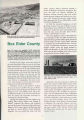
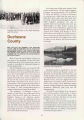
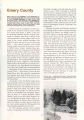
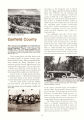
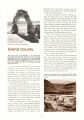
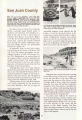
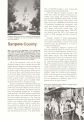
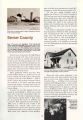
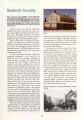
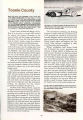
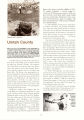
Show San Juan County Area: 7,725 square miles; population: 11,300; county seat: Monticello; origin of county name: after the San Juan River; principal citiesitowns: Blanding ( 3,070), Monticello ( 1,830); economy: livestock, agriculture, mining, tourism; points of inter-est: Natural Bridges, Rainbow Bridge, and Hovenweep National Monuments, Lake Powell, Canyonlands National Park, Edge of the Cedars State Park in Blanding, St. Christopher's Episcopal Indian Mission in Bluff, Navajo Indian Rese~ ation. San Juan County is a part of the Colorado Plateau, a geologic region formed mostly of sandstone and limestone and including two-thirds of the state of Utah as well as parts of Colorado, New Mexico, and Arizona. Mighty rivers like the Colorado and the San Juan have carved deep canyons and unusual erosional forms through the colorful sedimentary rock, and many people find the area spectacularly beautiful on a grand scale. In prehistoric times the San Juan country was the home of the Anasazi until about 1300 A. D. Their cliff houses, pictographs, and pet- . roglyphs continue to baffle and fascinate visi-tors. The Basketmakers, the earliest phase of the Anasazi Culture, were first identified and studied in Grand Gulch. The Navajo Indians, who were latecomers to the area, now occupy a large part of San Juan County from the San Juan River to the Arizona border. Although there were a few white residents along the San Juan River before 1879, the Mor-mon scouts who planned the famous Hole- in-the- Rock Trail that year began the full- scale set-tlement of San Juan County. The 180 pioneers who left Escalante in the fall of that year arrived at the present site of Bluff on April 6, 1880. Farming along the San Juan River bottoms was a chancy proposition, for the treacherous river either flooded or went dry too often for I Range cattle near Bluff. Let Navajo woman displays beautiful rug she has made. Right: Father H. Baxter Liebler, an Episcopal priest, greets Navajo woman at Oljato trading post. dependable irrigation. Early cattlemen like the brothers A1 and Jim Scorup did better in the rough canyon country than the farmers. After a decade of fighting the elements many settlers discovered that life was somewhat easier in the high country around the Abajo Mountains, and the towns of Blanding and Monticello replaced Bluff as San Juan's main focal points. Boats of pioneer river runner Norman Nevills on the San Juan River. Mining has been an inconsistent but exciting part of the economy of the county. A gold rush on the San Juan River in the early 1890s was short- lived, but miners in Glen Canyon of the Colorado eked a better living from deposits along the river bars. Oil and gas exploration around the turn of the century was productive, and one can still see wells operating along the San Juan River. The uranium boom of the early 1950s brought large numbers of people into the area and created a few large fortunes. At present most residents see tourism as their most promising economic resource, par-ticularly since the creation of Lake Powell in the early 1960s. Rainbow Bridge is the most popu-lar tourist attraction in the county, but the marinas at Hite, Hall's Crossing, and Piute Farms draw large numbers of visitors, and river trips through Cataract Canyon and on the San Juan are also popular. |