| OCR Text |
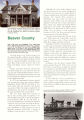
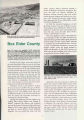
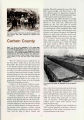
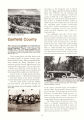
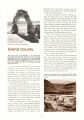
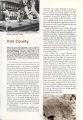
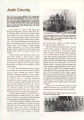
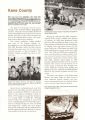
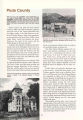
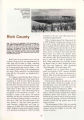
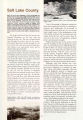
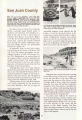
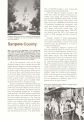
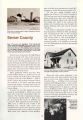
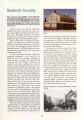
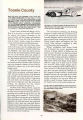
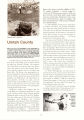
Show Bryce Canyon National Park. Garfield County Area: 5,158 square miles; population: 4,100; county seat: Pan-guitch; origin of county name: after President James A. Garfield; principal citiesltowns: Panguitch ( 1,41 O), Escalante ( 780); economy: cattle, lumber, tourism; points of interest: Bryce Can-yon National Park, Lake Powell, Anasazi State Park, Panguitch Lake, Escalante Tithing Office, Escalante Petrified Forest, Boulder Mountain, Burr Trail. The Colorado River and Lake Powell mark the eastern border of remote, sparsely popu-lated Garfield County. Other geographical fea-tures include the Henry Mountains in the northeast and the forested, high plateaus in the western half of the county. The two areas have 11 peaks over 10,000 feet. The Sevier River sys-tem runs north through western Garfield, and the Escalante River empties into the Colorado. Traces of the two major prehistoric forma-tive Indian cultures - the Fremont and Anasazi - have been found in the county. In historic times Southern Paiutes and Utes used the land. The first white settlers made the difficult trip from Beaver and Parowan through the Pack mules carried mail from Escalante to Boulder until about 1935. mountains to the Panguitch area in March 1864. The village, abandoned during the Black Hawk War ( 1865- 68), was not resettled until 187 1. The territorial legislature created the county in 1882 and, at the suggestion of Gov. Eli H. Murray, named it after assassinated Presi-dent James A. Garfield. Boulder, settled in 1889, was the most isolated town in Utah until the mid- 1930s when Civilian Conservation Corps ( CCC) workers constructed a road from Boulder to Escalante. The CCC also reseeded ranges and built telephone lines, ranger sta-tions, and trails. Vast rangelands and some of the state's largest forest reserves have made cattle ranch-ing and lumber Garfield County's most impor-tant industries since pioneer times. The forests also provide many recreational sites, and Pan-guitch Lake is one of the state's prime fishing waters. The creation of Bryce Canyon National Park in 1928 increased the importance of tourism to the local economy. The large sections of Capitol Reef National Park and the Glen Canyon National Recreation Area that lie with- Lumber company worker loading logs near Hatch. Major sawmills operate in Garfield. in the county remained largely inaccessible in the late 1980s. The proposed, controversial pav-ing of the Burr Trail through the Waterpocket Fold area of Capitol Reef would, however, ex-pand travel in eastern Garfield. The seasonal nature of lumbering and tourism often gives the county higher than average unemployment. The Upper Valley oil field in central Gar-field is a sizeable oil- producing area. The county also has large coal fields as well as tar sands and uranium, but these energy- related re-sources have not been developed. Mining for other minerals has been very limited. |