| OCR Text |
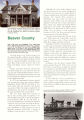
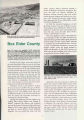
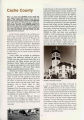
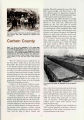
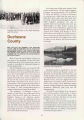
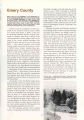
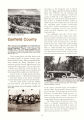
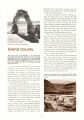
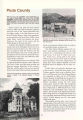
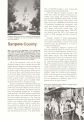
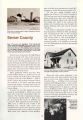
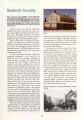
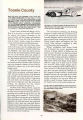
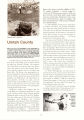
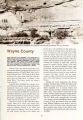
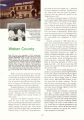
Show Green show performers at the Shakespearean Festival, Southern Utah State College. lron County Area: 3,300 square miles; population: 19,800; county seat: Parowan; orlgin of count name: fmm iron deposits in the area; rinslpal citieWlowns: & clar City ( 112.400 . Parowan, ( l. OlO), Loch ( 993); eco? otny: govvmyt mclu d kg educatton, and wholesale and retall trade, sewlces, 1 ht manufactur~ n and con-struction: polnts of interest: Cedar beak National bonument, Iron Mission SWe Historic Park in Cdar City, Old lron Town, Southern Utah State College ( Utah Shakespwrean Festival), Brian Head resort Old Rock Church and Jesse N. Smith adobe house In Parowan Iron County is a study in contrast from its arid western reaches of Escalante Desert and Great Basin ranges to the meadows and forests of the High Plateaus on the east. The Markag-unt Plateau is creased by the colorful formations of Cedar Breaks National Monument, a kind of miniature Bryce Canyon. Brian Head ( 1 1,307 feet), named for a profile resembling William Jennings Bryan, rises abruptly behind Iron County's major string of settlements and ex-tracts a toll of precipitation from passing wester-lies to feed the headwaters of the Sevier River. Parowan Valley was home to the Fremont people who constructed granaries and pit houses dating from about A. D. 750 to 1250. An unusual variety of petroglyphs of different periods were pecked into the stone of Parowan Gap about 12 miles northwest of Parowan. Cedar City is the tribal headquarters of the modern Southern Paiute Indian Reservation. Their ancestors used the plants and animals of the basintplateau environment in a complex seasonal pattern. The Dominguez- Escalante expedition trav-eled through the area on October 12, 1776, on its unsuccessful search for a route to central California. Fur trapper Jedediah S. Smith was the first Anglo- American to visit present Iron County during his amazing journey of 1826. Mormon settlers dispatched by Brigham Young established Parowan in January 1851 as the mother colony of the southern frontier. Cedar City ( originally Coal Creek) was founded the same year. Several pioneer log homes remain in the county as well as some English two- bay log barns now very rare in the state. Coal in the canyons east of Cedar City and iron ore in the mountains west inspired the early Iron Mission that proved marginally suc-cessful as a pioneer attempt at self- sufficiency. Modern mining and transportation turned Iron toward a new era befitting the county name. Old Iron Town still has a fine beehive coking oven among its ruins. The west end of the county also has some historic and current pre-cious metal mining. The Escalante Desert has changed its name to Escalante Valley, reflecting the rich irrigation agriculture of hay, small grains, and potatoes. Iron County has a more balanced and broadly based economy than most of rural Utah. Located on Interstate 15, Cedar City is 500 miles from Los Angeles, 180 miles from Las Vegas, and 260 miles from Salt Lake, and about midway between L. A. and Denver via 1- 70. Its location and size have made it a regional trade center and supplier of services. The conces-sionaire for nearby national parks ( an edge of Zion is in the county) has offices here, as do re-gional offices of the Bureau of Land Manage-ment, Dixie National Forest, and Utah Wildlife Resources. A railroad spur and regional airline still serve the city. A rocket motor fuel plant is under construction. A very good four- year lib-eral arts college, Southern Utah State, com-bined with a peerless Shakespearean Festival in the summer make Cedar City an attractive stop for some of the more than one million people who annually pass through. Petroglyphs, Parowan Gap, 1938. |