| OCR Text |
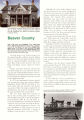
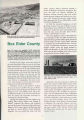
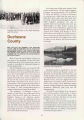
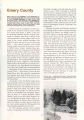
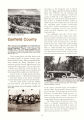
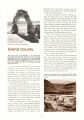
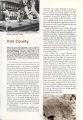
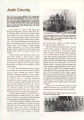
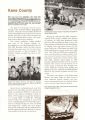
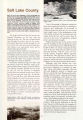
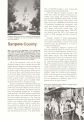
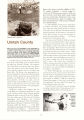
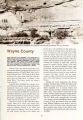
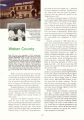
Show Salt Lake County Douglas, Hogle Zoo, Llberty Park, Great Salt Lake, Wheeler HIS-torlc Farm, Blngham copper mlne, LDS Church Museum of History and Art, Salt Lake Art Center, Utah State Historical Society, Uni-versity of Utah, sk~ re sorts at Alta, Br~ ghtonS, nowb~ rda, nd Sol- ~ tude. The fertile Salt Lake Valley lies between the Wasatch Mountains on the east and the Oquirrhs on the west. The active Wasatch Fault runs through the eastern part of the county. The Jordan River flows north through the val-ley to Great Salt Lake, and canyon streams pro-vide culinary and agricultural water and in pioneer times powered mills. Centuries before settlement prehistoric In-dians and the historic Northern Shoshone and Ute Indians used the area for hunting, fishing, and gathering seasonal foods. The first white men to see the valley were trappers associated with William H. Ashley in 1824- 25. Permanent settlement began in 1847 with the arrival of the first Mormon wagon train, which included three woinen and three Blacks. The advance company planted the first crops on July 23, and the pioneers at Brigharn Young's direction explored nearby areas, built a fort, and surveyed Salt Lake City. In October 1847 17- year- old Mary Jane Dilworth opened the first school in her tent. In the next two years a dozen towns were founded in the county. With self- sufficiency a major goal, the settlers established basic industries to supply everything from pottery to printing paper and ex-perimented with mixed success in growing all kinds of plants. In 1862 U. S. troops established Fort Douglas t. o protect communications and transportation routes. Temple Square, 1881. The LDS church IS sometimes overlooked as a major employer rn both Salt Lake and Utah counties. Open pit mine, Bingham Canyon, one of the world's great copper mines. Tens of thousands of Mormon immigrants funneled through Salt Lake City to outlying set-tlements, and, additionally, for thousands of California- bound travelers the city was the last major supply point. As the headquarters of the LDS church, and later the territorial and state capital, Salt Lake City and its county have al-ways been the center of population, political power, and economic strength. Political diversity came to the county in 1870 with the founding of the non- Mormon Liberal party, and until statehood in 1896 the Mormon- Gentile conflict was intense. Industrial develop-ment in the late 19th and early 20th centuries increased diversity with the arrival of many Greeks, Italians, Yugoslavs, Blacks, Japanese, and Mexicans. The migration of Native Ameri-cans to the larger cities and the immigration of southeast Asians and others continue the trend. Hispanics are the largest minority in the county. Although cities and suburbs now cover much of the land, the county retains traces of its agricultural beginning as a producer of eggs, hogs, wheat, and garden vegetables. Mines in Alta and Bingham, smelters in Midvale and Murray, and the Salt Lake Mining and Stock Ex-change made the county a regional mining hub. Printing and publishing, which began in 1850, continue as major industries. Other important manufactured goods include pharmaceuticals, candy and other food products, computers, mil-itary guidance systems, and artificial organs. The county leads in trade, services, transporta-tion, communications, finance, insurance, and construction. Salt Lake International Airport, major medical facilities, and television broad-casting serve all of Utah and parts of the Inter-mountain region. Government, including edu-cation, is the leading employer in the county. The founding of the University of Deseret ( Utah) in 1850 and the dedication of the Salt Lake Theatre in 1862 provide two examples of the early commitment of residents to education and culture. The county is home to several pub-lic and private colleges and dozens of theatrical, musical, and dance organizations. |