| OCR Text |
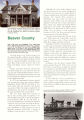
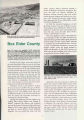
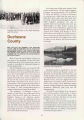
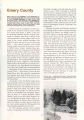
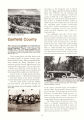
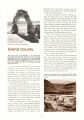
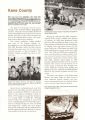
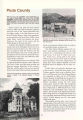
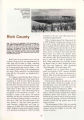
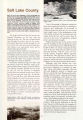
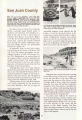
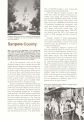
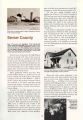
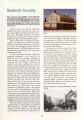
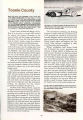
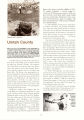
Show Kane County Area: 3,904 square miles; population: 4,800; county seat: Kanab; origin of county name: after Col. Thomas L. Kane, an in-fluential supporter of the Mormons; principal citiesltowns: Kanab ( 2,770), Orderville ( 430), Glendale ( 250); econom : tourism, ser-vices; points of interest: Lake Powell. Coral pin[ Sand Dunes, Kodachrome Basin, Old Paria, Navajo Lake, Hole- in- thsRock, Bowman- Chamberlain home in Kanab. The high desert landscape of Kane County belongs to the Colorado Plateau geographical province. The waters of man- made Lake Powell on the Colorado River form the county's eastern border, and most of the streams in Kane are part of the Colorado River system. The north-west corner of the county is forested. The county's prehistoric Indian dwellers were part of the Anasazi Culture. Ar-chaeologists have recorded hundreds of sites on Fifty Mile Mountain within the Glen Canyon National Recreation Area, but few have been excavated because of their remoteness. The Southern Paiutes occupied the county in his-toric times. Kanab town board, 1912- 14, with Mary W. Howard, mayor, in center. Women continue to hold many city and county elective offices in Utah. Several towns, including Kanab, were first settled in the mid- 1860s and then abandoned. Kanab was resettled in 1870 by Levi Stewart and others at the request of Brigham Young. In March 1874 Young encouraged the formation of a United Order at Orderville. Although United Orders were organized in many Utah towns, including Kanab, the Orderville experi-ment in communal living was more successful and longer- lived, making this town unique among Utah settlements. By the 1880s Mormon church support had become lukewarm, and the United Order of Orderville was dissolved. Hollywood film crew on location. Kanab was the center for movie making in Utah. During the 19th and early 20th centuries a majority of the county's residents were farmers or ranchers. In 1922 when Deadwood Coach with Tom Mix was filmed in Kane County, the Parry brothers of Kanab led in the development of lodging, food, and other services for film crews, and by the 1930s Kanab was called Little Hollywood because so many movies were made there. The 1920s and 1930s also saw Kanab be-come a tourist center for visitors to Bryce Can-yon, Zion, and Grand Canyon National Parks. During the construction of Glen Canyon Dam near Page, Arizona, which began in 1956, Kanab's population doubled and the economy boomed. The creation of Lake Powell, one of Utah's major recreational sites, brought new service industries connected with boating and fishing to the area, especially the Bullfrog Basin Marina in the extreme northeast corner of the county. Enormous coal reserves in the Kaiparowits Plateau and Alton fields are Kane County's most important natural resource and may, when environmental issues are resolved, dictate a new economic future based on mining. Glen Canyon Dam, 1961, just across the Arizona border brought prosperity to Kane. |