| OCR Text |
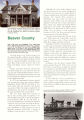
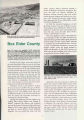
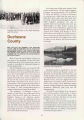
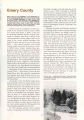
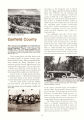
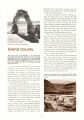
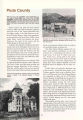
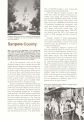
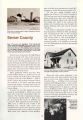
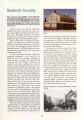
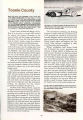
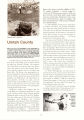
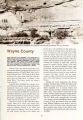
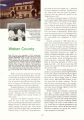
Show Davis County Area: 268 square miles; population: 180,100; county seat: Farmington; origin of county name: after Captain Daniel C. Davis of the Mormon Battalion; principal citiesltowns: Layton ( 35,280), Bountiful ( 34,510), Clearfield ( 22,670), Kaysville ( 10,900), Center-ville ( 10,740); economy: defense ~ ndustrys, mall manufacturing and distribution, service industries, agriculture - especially alfalfa. grain, onions, and fruit; points of interest: Antelope Island, Farm-ington Canyon, Lagoon and Pioneer Village, Farmington Bay Waterfowl Management Area, Howard Slough Waterfowl Manage-ment Area, Freeport Center, Hill Air Force Base, Bountiful- Davis Arf Center, Farmington Rock Chapel. The dominant geographical features of Davis County are the Wasatch Mountains on the east and the Great Salt Lake on the west. The mountains provide a source of water and help ensure a remarkably uniform growing season. Not surprisingly, Davis County has always been a rich agricultural area. It was attractive to people even before the time of permanent white settlement. The resources of Davis County were likely used by prehisloric populations beginning as early as 1 1,000 years ago. The county's great agricultural potential was recognized quickly by the Mormon pioneers, and during their first winter in Utah ( 1847- 48) several of them moved livestock into that area for winter forage. By 1850 a number of farms dotted the south half of Davis County. By the 1870s the county was clearly the garden spot of Utah. In addition to producing bounteous har-vests and prize- winning livestock, Davis County farmers led out boldly in experimenting with new crops, such as sorghum and alfalfa, new equipment, such as headers and threshers, and new methods, such as dry farming and irriga-tion management. Kaysville flour mill, one of many businesses that were tied to farming in Davis County. Economic prosperity, built on this farming base, followed Davis County into the 20th cen-tury. By 1910 the county sported two gristmills, two nurseries, eight irrigation companies, and six canning factories. Five years later it also had a sugar factory. A great variety of crops, fruit, and livestock was raised. New schoolhouses, chapels, stores, and other structures popped up on the landscape. Three railroads served the county's transportation needs. During and immediately after World War 11, significant changes began to appear in Davis County. Farming, while still important, began to lose its position as the economic leader. De-fense installations in the Clearfield- Layton area, such as Hill Air Force Base and the Naval Sup- Hill Air Force Base, 1944, now a major Air Force mainte-nance facility and home of the 388th Tactical Fighter Wing and other units, is the leading employer in Utah. ply Depot, began to employ large numbers of people. When the navy depot closed, industry and related enterprises purchased the build-ings in 1963 and developed the site into the Freeport Center, a bustling manufacturing and distribution center. Suburbs to meet hous-ing needs developed around the Freeport- Hill hub and also in the southern part of the county for people who commuted to Salt Lake City. Service industries, to support this grow-ing population, started to become prominent in the county's economic make- up. Although the state's smallest county in size, Davis is one of the fastest growing in popula-tion. The number of residents doubled be-tween 1940 and 1950, doubled again by 1960, doubled again by 1975, and is expected to double again by 1996. It is presently Utah's third most populous county. |