| Title |
EPA administrative orders, 1991-1997 |
| Alternative Title |
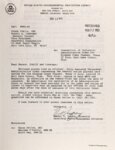
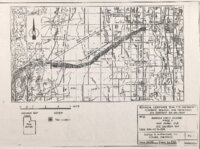
North facility soils and wastewater treatment plant ponds site removal action, SSID # 4B statement of work; Bingham Creek channel site, phase 2, SSID # T4, statement of work; AOC/Work plan for cleaning of Kern River pipeline corridor near Bingham Creek |
| File Number |
2107_042_003 |
| File Name |
2107_042_003.pdf |
| Description |
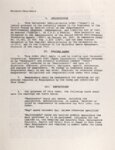
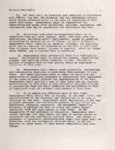
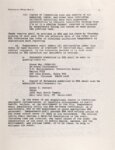
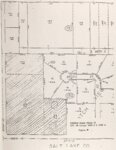
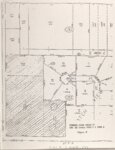
Administrative orders issued by the U.S. Environmental Protection Agency Region 8 office between 1991 and 1995. Administrative orders on consent address removal of toxic soils and sludge from the following sites on Kennecott property: North facility soils and wastewater treatment plant ponds (site 4B); and Herriman residential soils (site R2); and Kern River gas pipeline corridor (site R7). Also a "unilateral administrative order" for removal action issued 1993 for removal action at the Bingham Creek channel site (phase II, site T4) [nine copies], and a "statement of work" [duplicate from folder 2, with four copies in this folder]. This digital file contains the entire contents of folder 3 from box 42 of the Supefund Records Center records collection. |
| Creator |
United States. Environmental Protection Agency. Region VIII |
| Date |
1991; 1992; 1993; 1994; 1995; 1996; 1997 |
| Spatial Coverage |
West Jordan, Salt Lake County, Utah, United States; Salt Lake County, Utah, United States |
| Subject |
Soil pollution--Utah--Salt Lake County; Soil remediation--Utah--Salt Lake County; Hazardous waste site remediation--Utah--Salt Lake County; Hazardous wastes--Management--Utah--Salt Lake County; Mines and mineral resources--Environmental aspects--Utah--Salt Lake County; United States. Comprehensive Environmental Response, Compensation, and Liability Act of 1980--Archives |
| Collection Number and Name |
Accn2107 Superfund Records Center records |
| Holding Institution |
Special Collections, J. Willard Marriott Library, University of Utah |
| Finding Aid |
https://archiveswest.orbiscascade.org/ark:80444/xv19958 |
| Type |
Text |
| Genre |
reports |
| Format |
application/pdf |
| Language |
eng |
| Rights Management |
This digital file is comprised of multiple documents with varying copyright status. Users are responsible for determining the copyright status of these documents. |
| Rights |
 |
| ARK |
ark:/87278/s62zdsbr |
| Metadata Cataloger |
Ken Rockwell |
| Setname |
uum_srcr |
| ID |
2624355 |
| Reference URL |
https://collections.lib.utah.edu/ark:/87278/s62zdsbr |
| Title |
Page 50 |
| Format |
application/pdf |
| Setname |
uum_srcr |
| ID |
2624405 |
| OCR Text |
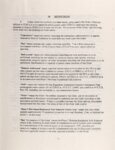
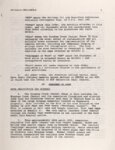
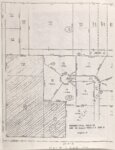
Show "Work" means all tasks Kennecott is required to perform under the Herriman Soils Transport and Placement Work Plan as it relates to the Phase I Herriman Residential Soils Removal Action Area. "Work Plan" means the detailed plan of activities implementing the requirements of this Order associated with the Phase I Herriman Residential Soils Removal Action Area. The Work Plan includes the document which describes Work activities, the sampling and analysis plan, and any other plan (or mutually agreed modifications thereto) required by this Order and approved by EPA. In addition, the Work Plan may include other plans suggested by Kennecott and approved by EPA, after notice and opportunity to comment by the State, pursuant to this Order or produced by EPA pursuant to this Order. All such plans are herein incorporated by reference into this Order. The Herriman Soils Transport and Placement Work Plan is Exhibit 2 to this Order. IV. FINDINGS OF FACT 9. The Phase I Herriman Residential Soil Removal Action Area is located in southwestern Salt Lake County, in the town of Herriman, Utah as depicted on Exhibit 1 to this Order and includes approximately 30 residential properties with lead or arsenic in excess of EPA's action level as documented in the Action Memorandum. 10. Records currently available to EPA indicate that historic mining and milling activities are the likely. sources of the lead and arsenic contamination in the town of Herriman. The primary source of contamination appears to be from historic mining and milling activities in Butterfield Canyon. It is possible that another source for a minor amount of contamination might have been an area to the northeast of the Butterfield Canyon drainage, known as Lark, and the Bastian Ditch. 11. . Mining operations for lead, zinc and silver ores began in and adjacent to Butterfield Canyon in the 1870s and continued until the 1950s .. From the 1870s until 1905 several companies operated mills which deposited tailings directly into Butterfield Creek or its tributaries. Much of the tailings material, as well as waste rock from tunneling, found its way into Butterfield Creek and then downstream to be deposited in the flood plain of Butterfield Creek near the community of Herriman. No known milling operations were conducted after 1905 in Butterfield Canyon. Several of the ·small companies that conducted these milling operations were subsequently acquired by either United States Smelting Refining and Mining Company (USSR&M) or Combined Metals Reduction Company (C). During the construction of the Butterfield Tunnel between 1892 and 1894, waste rock containing low concentrations of lead and arsenic from the tunnel and related tunnel workings was deposited within and adjacent to the south side of Butterfield Creek. C continued its mining operations through the Butterfield Tunnel until about 1952. A predecessor in interest to Kennecott (Kennecott Copper Corporation) acquired the Butterfield Tunnel holdings 12. 4 \. |
| Reference URL |
https://collections.lib.utah.edu/ark:/87278/s62zdsbr/2624405 |