| OCR Text |
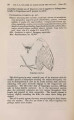
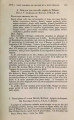
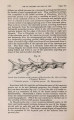
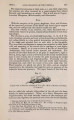
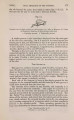
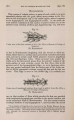
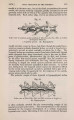
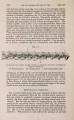
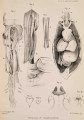
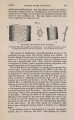
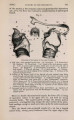
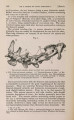
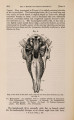
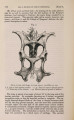
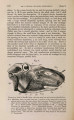
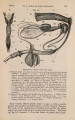
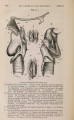
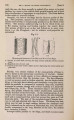
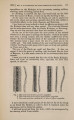
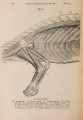
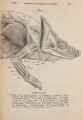
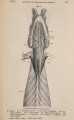
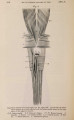
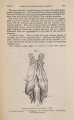
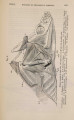
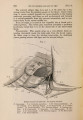
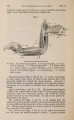
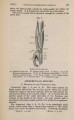
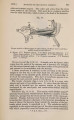
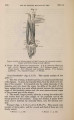
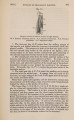
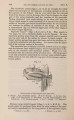
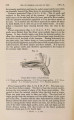
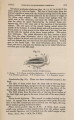
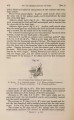
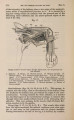
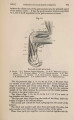
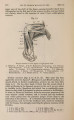
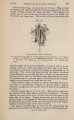
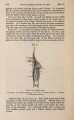
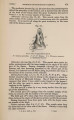
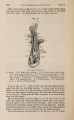
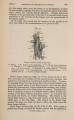
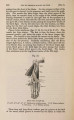
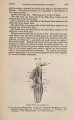
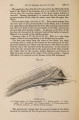
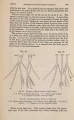
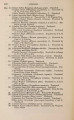
Show 1870.] MYOLOGY OF CHAMELEON PARSONII. 869 with which, for some distance, it is very intimately connected. Passing distad, and quite separating from the extensor carpi radialis brevior, it is inserted into the distal part of the dorsum of the third metacarpal bone. The extensor carpi radialis brevior (figs. 1 & 11, E. R. B) arises from the lower end of the external condyle, and from the humerus, quite close to the articular surface for the radius, and outside the origin of the deeper part of the supinator longus, with which, for some distance, it is intimately connected. Passing distad, and diverging from the extensor carpi radialis longior, it passes under a very strong tendinous arch (which extends from the lower end of the ulna to the radius), and is inserted into the ulnar side of the distal part of the dorsum of the fourth metacarpal. Extensor carpi ulnaris * (figs. 1, 10, & 11, E. U). This arises by a tendon which is common to it and to the larger (or radial) portion of the flexor carpi ulnaris. This tendon is attached (beneath the tendon of insertion of the triceps) to the back of the humerus, almost at its distal extremity. The muscle ends distally in a strong tendon, which, dipping down beneath that of the flexor carpi ulnaris, is inserted into the proximal part of the palmar surface of the fifth metacarpal and of its externally projecting process. Pronator Merest (figs. 8, 9, 10, 14, & 15, P. T). The round pronator is very large, and arises by a strong tendon from the internal condyle, close to the insertion of the long part of the coraco-brachialis. It is inserted into about the lower four-fifths of the radius, toward its outer border. The flexor carpi radialis (figs. 8, 9, 10, & 14, F. R) has a double origin. One tendon is from the internal condyle immediately below the origin of the pronator teres. The other tendon of origin springs from near the same spot as the first, but separated from it by the summit of part of the flexor profundus digitorum, which is thus embraced between these two tendons. The inner tendon is also much connected with the capsule of the joint between the humerus and ulna, so that it has the appearance of bifurcating. The muscle ends below in a strong tendon, which, passing down, with tbe flexor sublimis of the palm superficial to it, is inserted into the proximal end of the palmar surface of the first metacarpal, and thence runs on to the same part of the fifth metacarpal, thus constituting a palmar arch, beneath which the long flexor tendons run. Pronator accessorius (figs. 10,12,14,15, & 16, P. A). A thick muscle, which seems to answer to the muscle I have thus named in the Iguana J, arises from the internal condyle, immediately beneath and within the humeral origin of the flexor profundus digitorum. It also arises from the radial border of the ulna and from the interosseous ligament, coming into view, when the deepest layer of the extensor surface is exposed (fig. 12), above the short pronator quadratus. It is inserted into rather more than the lower two-thirds of the flexor aspect of the radius (between the insertions of the pronator teres and * Meckel, I. c p. 383. t Meckel, I. c. p. 368. J See P. Z. S. 1867, p. 784. |