| OCR Text |
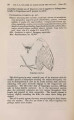
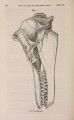
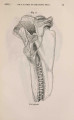
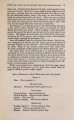
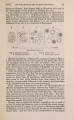
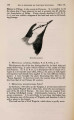
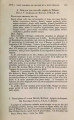
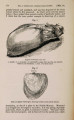
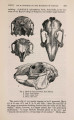
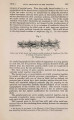
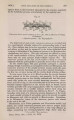
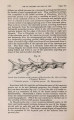
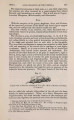
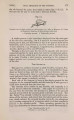
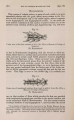
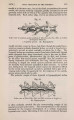
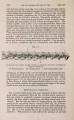
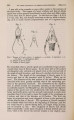
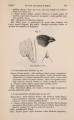
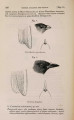
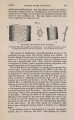
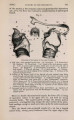
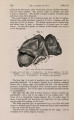
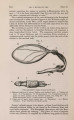
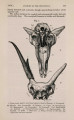
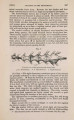
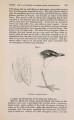
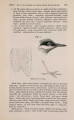
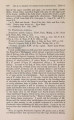
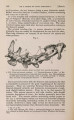
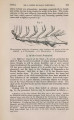
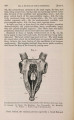
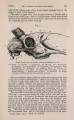
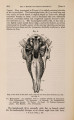
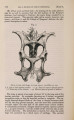
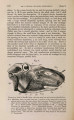
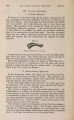
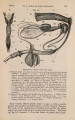
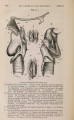
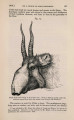
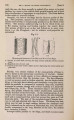
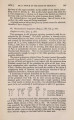
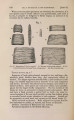
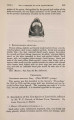
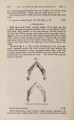
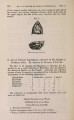
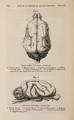
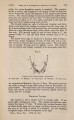
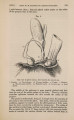
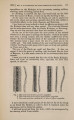
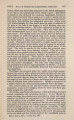
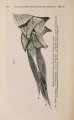
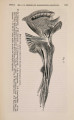
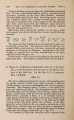
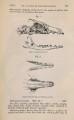
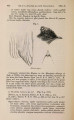
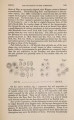
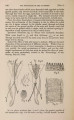
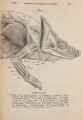
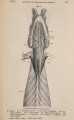
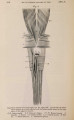
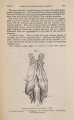
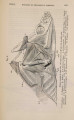
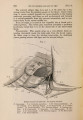
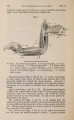
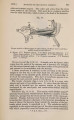
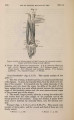
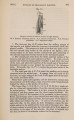
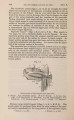
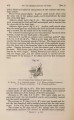
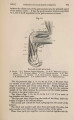
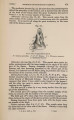
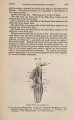
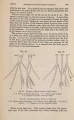
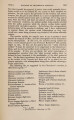
Show 1870.] MYOLOGY OF CHAMELEON PARSONII. 857 The upper part (Z1) occupies the groove between tbe neural spines and the zygapophyses. It is bound down by a dense tendinous fascia, and shows tendinous thickenings passing downward and slightly forward, from the summits of the spines to the articular processes. The lower part (L2) occupies the groove between the zygapophyses and the transverse processes, and consists of a number of cones, with the muscular apices posterior and the tendinous aponeuroses anterior. Thus the muscle on being cut exhibits a number of aponeurotic layers placed one within the other, and shows externally tendinous thickenings, passing backward and very slightly downward, from the zygapophyses to the ends of the transverse processes. Complexus major. This is merely the most anterior portion of the upper part of the longissimus dorsi. Passing to the back of the skull, internal to the postero-superior part of the temporal, it is deeply inserted into the side of the cranium, beneath the projecting occipital crest. The complexus minor (figs. 1, 6, and 7, C) is the most anterior Fig. 5. Deepest muscles of ventral aspect of neck. L Levator claviculse. Pt. Pterygoid. R. A Rectus anticus. Sc. Scalenus. S. M. Sterno-mastoid. |