| OCR Text |
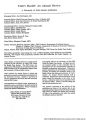
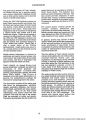
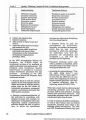
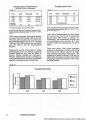
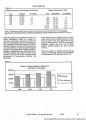
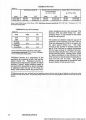
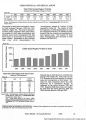
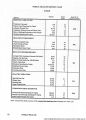
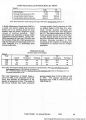
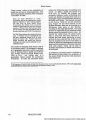
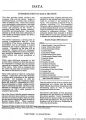
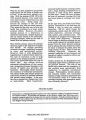
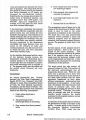
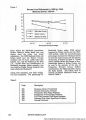
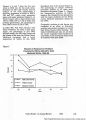
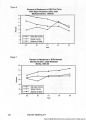
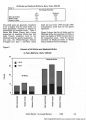
Show DATA INTRODUCTION TO DATA SECTION and premature death. Eighteen indicators were selected by the national task force (listed in Table A), of which 17 are included in this report. The proportion of persons living in counties exceeding U.S. Environmental Protection Agency standards for air quality has not been included because it was not available when the indicators were selected. It may be included in subsequent editions. Other indicators besides those included in Healthy People 2000 have also been reported in order to broaden our understanding of Utah's health. Healthy People 2000 Indicators Table A This data provides health statistics that compares Utah with the nation. Health is multidimensional, covering many different facets of people's lives. These areas include socio-demographic characteristics, individual behaviors, environmental factors, cost, quality, access, and measures of the "5-D's" in assessing health: death, disease, disability, discomfort, and dissatisfaction. This section attempts to reveal these many dimensions of Utah's health by bringing together data from a wide variety of sources. This edition represents a starting point in creating a comprehensive data set. As the development of the Review progresses more possibilities can be developed to expand discussion and explore additional areas of concern. Comments on the data will be welcomed. Because editors of subsequent editions may publish some of these comments, they should be submitted in writing, with a return address and written permission to publish. While some indicators presented in this section refer to measures in Utah that may not be comparable to national data, the common approach is to compare Utah's health with that of the nation. When Utah is compared with the nation, the state data are included within the context of the nation as a whole. Many tables include a Utah:U.S. comparison category. A high ratio can be either favorable or unfavorable, depending on the indicator examined. For example, in 1990 the percentage of people who completed college shows the Utah:U.S. comparisons as 1.05:1. Because education is valued, a higher rate for Utah is considered favorable. However, if the indicator is a mortality rate, then a Utah:U.S. comparison of 1.05:1 would probably be considered unfavorable. Part of the Review includes general consensus indicators that have been selected by a national task force to measure progress made by states and the nation in meeting the goals set forth in Healthy People 2000J These measures represent factors thought to increase disease * Department of Health and Human Services. (1990, Sept). Healthy People 2000: National Health Promotion and Disease Prevention Objectives for the Nation. Washington: Public Health Service. U.S. Government Printing Office. 1. Infant Mortality - Race and Ethnicity 2. Motor Vehicle Crash Deaths 3. Work-related Injury Deaths 4. Suicide Deaths 5. Lung Cancer Deaths 6. Female Breast Cancer Deaths 7. Cardiovascular Disease Deaths 8. Homicide Deaths 9. Total Deaths 10. Incidence of AIDS 11. Incidence of Measles 12. Incidence of Tuberculosis 13. Incidence of Syphilis 14. Prevalence of Low Birth Weight 15. Prenatal Care 16. Childhood Poverty 17. Births to Adolescents 18. Proportion of population living in counties that exceed EPA standards This first edition of the Review contains state comparisons as a whole with the nation. Future editions may include comparisons with surrounding states as well as regional comparisons within the state. The Review staff thanks all who graciously contributed time and resources in making this first edition possible. Utah's Department of Health deserves special thanks for providing many of the data presented. We hope that this document will be of use to the Department as well as the general public. Utah's Health: An Annual Review 1993 |