| OCR Text |
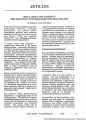
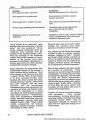
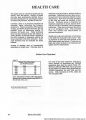
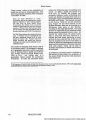
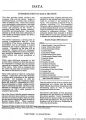
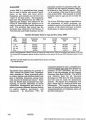
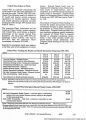
Show PUBLIC HEALTH1 Many costly diseases are eliminated through the use of such public health measures as air pollution control, sanitation, and water purification. In view of public health's importance in reducing human disease and suffering it is a public service deserving more attention than it receives. Many people are exposed to preventable diseases such as AIDS and tuberculosis. Child abuse, spouse abuse, suicide, and homicide are all acts of violence that often result from the conditions of our society. Health problems that stem from environmental factors (such as poverty, poor education, environmental neglect, risky behavior, and lack of access to health care services) are also increasing. Because public health problems are so extensive, there is growing concern that these problems are beginning to be accepted as normal. Public health is important for all socio-economic levels, but especially for the poor. Overall, death rates are twice as high for low-income populations compared to those with the highest income, and death from heart disease is 25% higher for low income groups compared to the overall population. Cancer rates increase as income levels go down, and survival rates are lower for low-income populations. At the same time as some public health conditions worsen, health care costs are becoming so high that the entire health care system is threatened. The U.S. spends proportionately more on health care than any other country in the world, yet ranks low on common measures of healthiness. For example, the U.S. ranks ninth in life expectancy, and higher in infant mortality than Japan or any of the Western European countries. Spending more on health care may not translate into better health outcomes, and most often is directed at treating disease rather than reducing the incidence of disease. For these reasons public health measures such as health promotion and disease prevention are critical. Several areas of concern in public health are presently being addressed at the national level. They are as follows: 1. Low birth-weight babies often require expensive and long term care. This problem is caused by poor nutrition, alcohol and substance abuse during pregnancy, and other factors that affect the health of the mother, such as high blood pressure. Programs that target expectant mothers can be a cost-effective way of reducing this growing problem. 2. The relationship between tobacco and health has received major political, scientific, and public awareness. If tobacco use is decreased, then heart disease, lung cancer, and other related problems will be reduced. 3. Injuries are the leading cause of death between the ages of 1 and 44 for both men and women. Public policy can take an active role in reducing some of these injuries. For example, stricter laws on driving after drinking may have reduced motor vehicle injuries in Utah. Other measures can be adopted to reduce accidental and non-accidental injuries. Economic, educational, social welfare, agricultural, and tax policies all influence health. Policy formulated in any of these areas will affect health outcomes of large numbers of people. * Source: Adapted from American Public Health Association. (1992, Nov.). America's Public Health Report Card: A State-by-State Report on the Health of the Public. Washington, D.C: Author, pp. 1-3. 58 PUBLIC HEALTH |