| OCR Text |
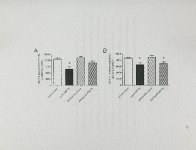
Show 78 decreases OAT activity (Fleckenstein et aI., 1997a). Pretreatment with 01 and 02 receptor antagonists does not alter the decreases caused by a single high dose METH administration OAT function is (Metzger et aI., 2000). This transient decrease in likely not associated with persistent dopaminergic deficits as binding of the OAT ligand, WIN-35428, is not altered (Kokoshka et aI., 1998). This early decrease in OAT (Fleckenstein et aI., 1997b). function may be due to oxidative damage In vitro studies have suggested that internalization of the OAT occurs following AMPH application (Saunders et aI., 2000; Gulley et aI., 2002). However, within the immediate minutes following drug application, OAT levels at the plasmalemmal membrane may increase before returning to baseline levels (Johnson et aI., 2005). Other studies have examined the impact of in vivo METH administration on OAT function following repeated, high-dose injections of METH. This dosing paradigm is administered in a pattern designed to mimic "bingeing" in METH abusers. Following multiple, high-dose METH administrations, striatal OAT activity rapidly (within 1 h) decreases (Metzger et aI., 2000). Noteworthy, this decrease remains 24 h after treatment (Kokoshka et aI., 1998; Baucum et aI., 2004; Chu et aI., 2008) and remains 7 days after METH-treatment (Kokoshka et aI., 1998). As with METH-induced striatal dopaminergic deficits, OA, reactive species and hyperthermia contribute to this rapid decrease in OAT function (for review, see Fleckenstein et aI., 2000). In contrast to the effects of a single high dose METH administration, the decrease in DAT activity consequent to multiple, high-dose METH administrations is attenuated by pretreatment with 01 and 02 |