| OCR Text |
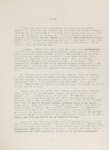
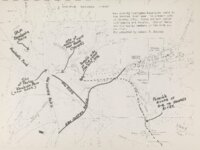
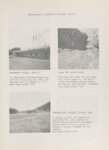
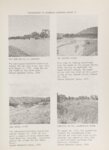
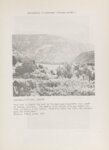
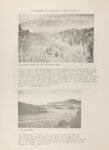
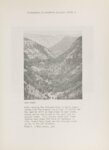
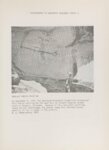
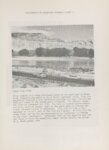
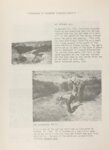
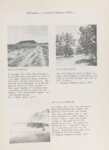
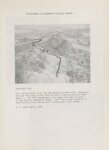
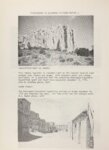
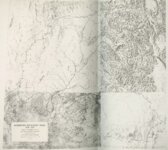
Show The campsite named San Jacinto was located on the north edge of I I butte near the center of this valley about four miles east of Preston Mesa. This campsite would porbably be quite exposed to the a sma wind and would be poor a place to camp in winter. RESEARCH METHODS Portions of this day's travel examined were on a number of occasions. May 2, 1975, C. Gregory Crampton and Harry Gilleland examined the most northern part of the area. On June 21, 1975, a sma I I portion of the trai I southwest of Kaibito was examined by W.L. Rusho, C. Gregory Crampton, and Jane Rusho. On July 6, 1975, W.L. Rusho, C. Gregory Crampton, and Don Cecala followed the trail,from San Jacinto site northeast to Kaibito. On 28. Maps used: USGS AMS Marble Canyon; November AHD Coconino County, Sheets 27, 13 On the 13th we started out from San Jacinto toward the south-southwest along the course mentioned, and good going terrain of woods and abundant pasturages, two leagues we swung south a league and half, and among some big rocks we found sufficient water for the men and almost enough for al I the horses. We over and continued to the southeast, and halted about a t'eague beyond another waterhole with bad water which we found on because the we same caught route. a We named the porcupine today, tasted flesh of the richest flavor. RESEARCH AND butte INTERPRETATION place EI Espino and here we Today six leagues. W. L. Rusho From their cold camp of San Jacinto the travelers turned west of the against which they had camped and headed south-southwest so as to This is a fairly open val ley pass along the eastern foot of Preston Mesa. and is a direct route to Moenkopi. Although frequent stretches of sand were encountered, it was no worse in this respect than much longer routes and would have been preferred by al I travelers between Kaibito and Moenkopi. possible route to the west of Preston Mesa--tentatively designated al I previous map interpretations of the trai I--is out of the question. To this day there are no roads, not even of the primitive type, west A on of Preston resa. Passing about six mi les to the south of Preston Mesa the Spaniards in reality a region marked "sand dunes" on today's maps but which is a large region of sand dunes alternating with outcroppings of cross bedded sandstone. The single road that crosses it today from north to south is a I ternate I y rocky or sandy and often regu i res a four- .Alhee I dri ve entered -185- |