| OCR Text |
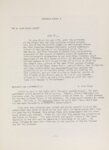
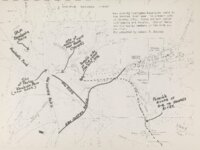
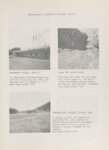
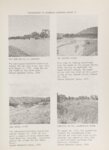
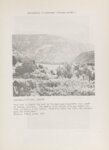
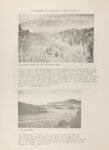
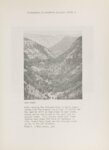
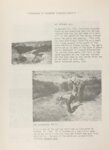
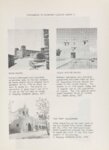
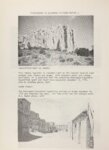
Show We offered these Indians soles from the hide of hampers us. They said that two could go with us a correct and proper oute. We entered the aforesaid canyon with them, went through it for a league and a half with extremest difficulty and obstruction for the horse herds, because of the presence of so much rubble, as footwear, so they would guide until they set us on that flint, and recurring difficult and dangerous stretches. We came to a narrow defile so bad that it took us more than half an hour to get only three saddle mounts through. This was fol lowed by a cliff-filled incline so ruggedly steep that even climbing it on foot would be most difficult. When the Indians saw that we could not follow them they doubt by their mean timidity. This made it necessary for us to backtrack in order to take to the south once more. Before doing this we stopped a whi Ie for the horses to regain some strength and drink of the water that was here, but so bad that many of the mounts refused to drink. In the afternoon we backtracked through the entire canyon, and after going south half a league along the plain, we halted near the val ley's southern pass, without water for ourselves and for the horse herd. Tonight we were in direst need with nothing by way of food, and so we decided to deprive a horse of its life so as not to forfeit our own; but because there was no water we postponed it out unti I the carrying place where there would be some. Today, in so painful a day's march, we only advanced one league and a half south. ran off, prompted no RESEARCH AND INTERPRETATION C. Gregory Crampton Having descended the rocky and steep south slope of Sand Mountain, the Spanish party on October 15 camped on Fort Pearce Wash in Utah very close to the Arizona boundary and nearly opposite the mouth of Hurricane Wash which comes in from the south. From their San Donulo camp the Spaniards a cut in a ridge that crossed their line ridge hailed them and talked them into east up Rock going Canyon. This canyon, which is very well named, receives the from the drainage Short Creek and Clayhole country to the east, and its waters empty into Fort Pearce Wash. At its mouth in the Hurricane CI iffs, Rock Canyon is over 1,500 feet deep. It was visible clearly to the padres as they headed overland lei to Fort Pearce generally paral Wash and then up its tributary, Short Creek Wash. As they neared the mouth of the canyon, they found the wash to be ful I of large rocks and boulders brought down occasional floods. by started up Hurricane Wash through of travel. Some Indians on the, Once in the canyon, horse travel some distance would have been But owing to boulders and easy. fairly talus blocks in places extending entirely across the floor of .the travel canyon, beyond the first two mi les would have been extremely difficult. -146- |