| OCR Text |
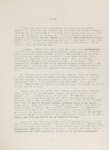
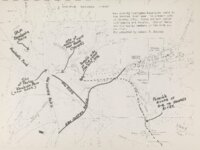
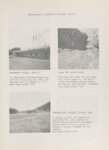
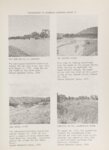
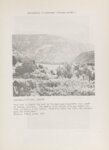
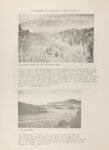
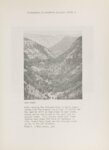
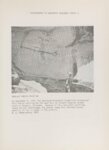
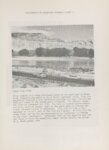
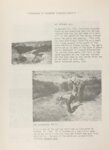
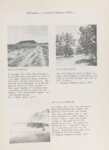
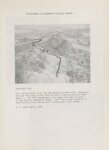
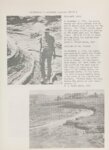
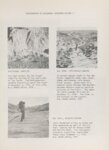
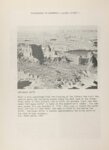
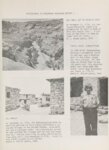
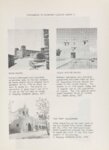
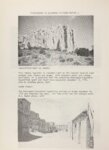
Show elevation and, likewise going northeast for two half, went down into an arroyo which had in water running places, but brackish even though drinkable. There was also pasturage here, and so we halted in it, naming San Diego. Today four leagues and a half. smal I leagues and ascended a a it leagues northeast in a direct Salsfpuedes, close to a multitude of earthen embankments, sma I I mesas, and peaks of red earth which look like ruins of a fortress at first sight. Today we stopped about three line from San Benito de w. INTERPRETATION RESEARCH AND Immediately upon began their ascent of L. Rusho camp beside the Paria River, the Spaniards For the first half-mi Ie their route the Echo Cliffs. leaving twisted among bleak formations of Chinle shale. Thi was fol lowed by a steep climb of about 400 vertical feet to a sloping bench covered with large areas Some of this sand could be avoided, some could not, as of loose red sand. At a point about the bench to the southeast. across cl imbed slowly they 1,000 feet above the Paria the terrain forced them to turn up another very Finally about 300 feet steep slope covered with loose soil and boulders. from the top they reached a series of bare sandstone ledges that were not only narrow but were dangerously rounded on the outside edge. Switchbacking over and these ledges, which Escalante terms,lIimpassable," they top through a shal low notch about 150 yards long. across reached the In their ascent toward the southeast they were actually approaching so that they crested the ridge only about two miles from San Benito Salispuedes, yet they were 1,700 vertical feet above the Colorado River. Since Escalante does not mention an existing trail, it must be presumed that Lee's Ferry padres cl imbed a previously unsealed route. The trail and the pass over cliffs, however, were traversed several times in later years. On his early trips to the Hopi vi I lages, Mormon missionary Jacob Hamblin and his men It was later used by some ascended the same point in 1858, 1859, and 1860. of Major John Wesley Powell's men, by John O. Lee in the 1870s, and by various At the present time (1975), cattlemen ranchers and miners until about 1920. the the in the area of remains of remains unaware of the long unused pass, but research disclosed the old corral In the notch near the crest as wei I as extensive constructed trai I down the steep slopes. are an a the researchers have named the ascent In a recent book on Lee's Felry, and the point where the trai I crests the ridge "Dominguez Pass," in honor of the often-neglected head of the 1776 expedition. Dominguez Pass lies between two rouqh, arid hi I Is and is at dry gulch leading to the east. From this high point Dominguez Even withEscalante could see Glen Canyon far upstream to the northeast. The crest of the head of and w. a L. Lee's Rusho and C. Gregory Crampton, Desert River Ferry the Colorado River (Salt 1975) Peregrine Smith, Inc •• -165- Lake City Crossing_--Historic and Santa Barbara: |