| OCR Text |
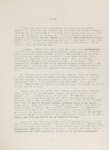
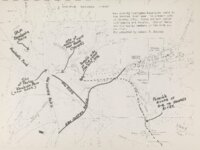
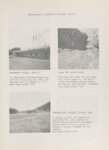
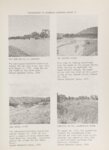
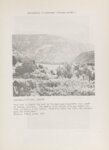
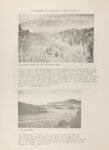
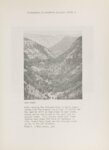
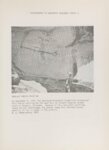
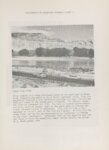
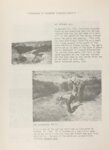
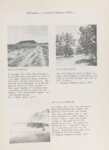
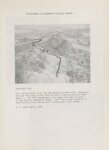
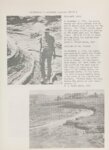
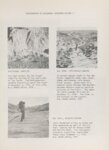
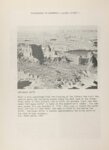
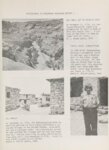
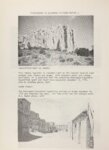
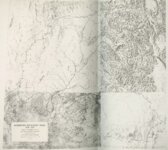
Show The far back specific Crampton Maps Creek area has been researched on vari ous occas ions as The the early 1950s, especially by Dr. David E. Mi I ler. route into Wahweap was traced by W. L. Rusho and C. Gregory 1975. on June 21, Wahweap as Quadrangles Lees Ferry, Leche-e Rock; USGS photos taken Sept. 10, 1951 of Wahweap area. aerial USGS used: November 3 On the 3rd east and after we qot out from San Dieqo headed east-south going leagues two came to the river time, that is, at the edge of the canyon which here its box channel. steep, rugged, The descent of it to the river second a serves cliffs, and consisting pack animals which descended back even without the equipment and ful I of rock embankments that two one could not make it as is very long, of such evi I the first .... The river was very deep, although not as much as at Sal sipuedes, but the horse herds had to swim for a long distance. The good thing about it is that it was not quicksand, either going in or getting out. The companions kept insisting that should descend to the river, but since there was no way out the other side to go ahead after one crossed the river, except a dep and narrow canyon of another smal lone which joins it here--and since we had not learned if this one could be we on negotiated we or went down not--we feared finding ourselves obliged (if to do the necessary backtrack would be extremely difficult. So as and crossed the river) ing which on this precipice not to have to risk it, we halted above and sent the mixed-breed Juan Domingo to go across the river and find out if the said canyon had an exit ••.• RESEARCH AND INTERPRETATION D. E. Miller From the east bank of Wahweap Creek the expedition struck a southeasterly toward the Colorado. The route was over sandy terrain most of the. They reached the sheer west rim of the river gorge opposite the mouth way. of Navajo Creek which flows into the Colorado from the southeast. One glance course convinced the had padres that this did not fit the referred to. description of a ford the Indians Here the precipitous wal Is of Glen Canyon were found to be almost impassable for man or beast, but Juan Domingo and Lucrecio Muniz were sent across the river in search of a passable way out via Navajo Creek Canyon should the Clorado prove fordable. -167- |