| OCR Text |
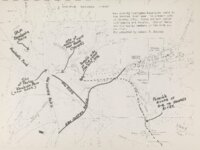
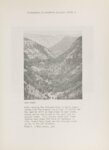
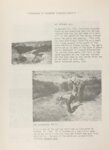
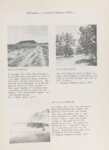
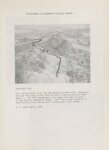
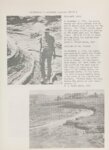
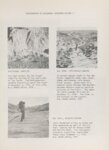
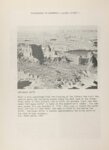
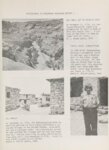
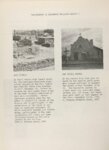
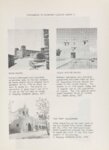
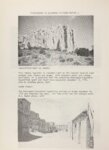
Show RESEARCH AND w. INTERPRETATION August From the I Alan Minge of the expedition the trail veers to the along the bed of the Canji Ion. The trail campsite northeast and then to the north canyon of the stream which is flanked with It was in this area that ponderosa pine, cedar, juniper, and pinion. lowed Escalante complained of temporarily losing four horses. The party fol of time year, the Canji Ion, which was seen by the researchers at the same fruits and flowers as described wild with covered meadow beautiful a through Itis almost certain that the explorers fol lowed the northeast in the goes forward diary. trend of the by northwest into After siesta sma I wooded of Canji Ion before turning west la Cebolla where they stopped for the Rio Cebolla somewhat to the east of Highway 84. crosses they continued through ley night near the present roadway. I ponds which Escalante noted. and descended for the more Canjilon past the modern vi into the val ley of the Rio The trail siesta. the a but tere are into the val of EI indications that Rio I lage de fields to the east of the road las Nutrias where they made camp This is a broad val ley dotted with the de It is now covered it may have been wooded in mainly 1776. with grasses, RESEARCH METHODS straightforward except for the area around the vi I lage of Canjilon which was explored n two separate days. To clarify the approaches and exit from Canji Ion, the researchers drove several little-used roads above The route and is below the town. August 3 . On the 3rd we set out headed northwest from EI Arroyo de las Nutrias, entered a sma I I pine forest, and, after traveling little less than three leagues, descended to EI Rio de Chama a The river ford is good, and went up to rest on the opposite side. hidden are there the but on quicksands covered big margins nearby In one of them Don Juan Pedro Cisneros' over with thin rubble. got completely submerged. The river's meadow is about a league long from north to south, good land for farming with the help of irrigation; it produces a great deal of good flax and There are also the other prospects which a abundant pasturage. Here it has settlement requires for its founding and maintenance. a good grove of white poplar. mount and, after cl imbing the river's ley which we named Santo Domingo. It is surrounded by three large pine-forested mesas which, starting with three little bluffs that they have somewhat to the north, formed a half-arc from north to south until they reach the river. west In the afternoon slope, came into we a went small on val told us that to the west of these mesas there were two lakes the first and southernmost to the west of the gap which from slope mentioned is seen between the first and second mesa , and the second to the west of the next gap which also can be seen They the' -32- |