| OCR Text |
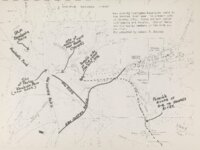
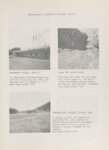
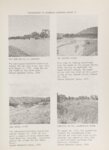
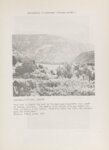
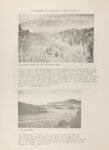
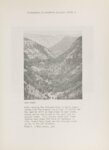
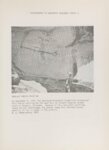
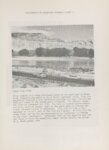
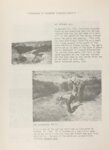
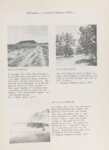
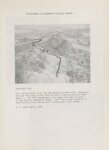
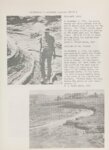
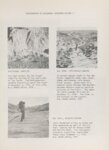
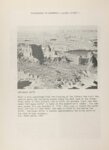
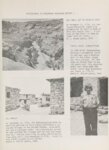
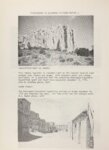
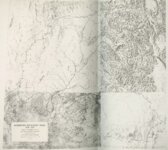
Show RESEARCH THE W. L. RUSHO AND DAVID E. REPORT H MILLER REPORT November I 1st of November they returned when it was the afternoon, saying that they had in already found a passage, although a difficult one, and a ford in the river. The way over the mesa was the incline which Cisneros had seen, and, since this was very high and steeply rugged, we decided to get next to it this afternoon. We On the one left the bank of EI Rio Grande and the distressful Paraje de San Benito de Salsipuedes, went along EI Rio de Santa Teresa and, after going a league northwest, halted by its edge at the base of the incline mentioned. Today one league. This afternoon, from sundown to seven in the morning, we were exceedingly cold. RESEARCH AND INTERPRETATION W. L. Rusho simply one league up the shal low, winding Paria River. Shinarump ledge, against which the party had camped, forms Ferry At the point where a vertical escarpment that dips gradually to the north. this cliff finally disappears at river level is where the ascent was to begin the next day. Camp was made along the Paria at this spot, probably in a nearby grove of cottonwood trees. Travel day this At Lee's was the RESEARCH METHODS The Paria River was walked from Lee's Ferry to the point of ascent by Rusho, C. Gregory Crampton, and Don Cecala on October I, 1973, and 1974. on March 30, in aqe W. L. Maps used: USGS Quadrangle Lee's Ferry November 2 On the 2nd we left EI Rio de Santa Teresa and went up incline, which we named Las Animas, and which must have It took us more than three hours to been half a league long. climb it because· it has a very sloping sand dune for a start, and afterward extremely difficult stretches and most dangerous ledges, and is at the very last impassable. After we had climb ed it heading east with utmost difficulty, we went down the other side through cliff-filled gorges as we headed north, and the after one league turned east for half a one over a stretch of We red sand which was quite troublesome for the horse herds. -164- |