| OCR Text |
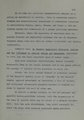
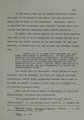
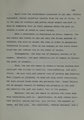
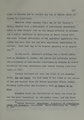
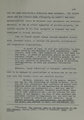
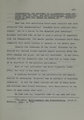
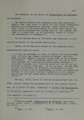
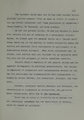
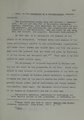
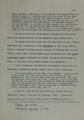
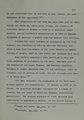
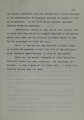
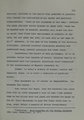
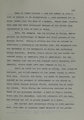
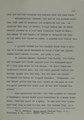
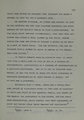
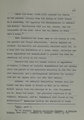
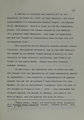
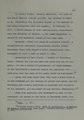
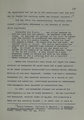
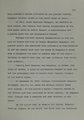
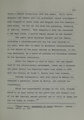
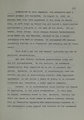
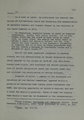
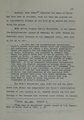
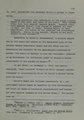
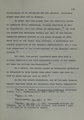
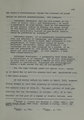
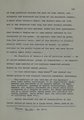
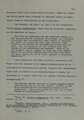
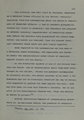
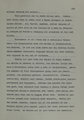
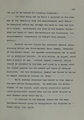
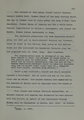
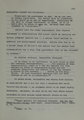
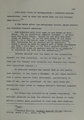
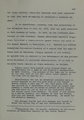
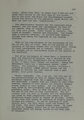
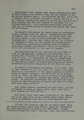
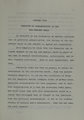
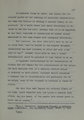
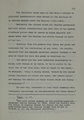
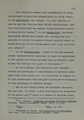
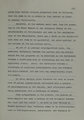
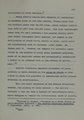
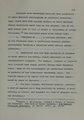
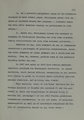
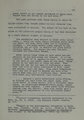
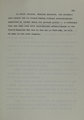
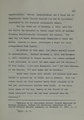
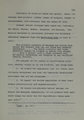
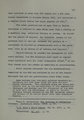
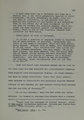
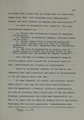
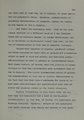
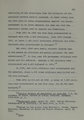
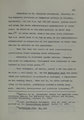
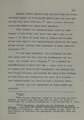
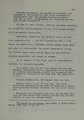
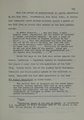
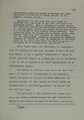
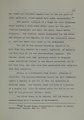
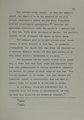
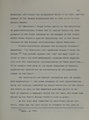
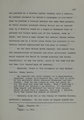
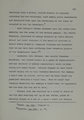
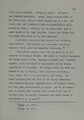
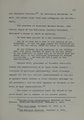
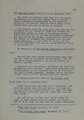
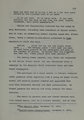
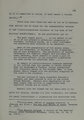
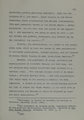
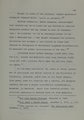
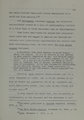
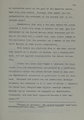
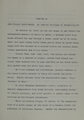
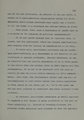
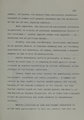
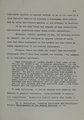
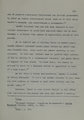
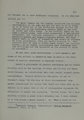
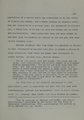
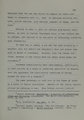
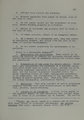
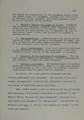
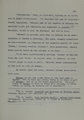
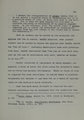
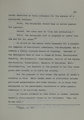
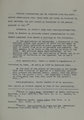
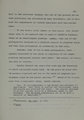
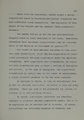
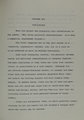
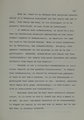
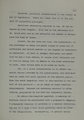
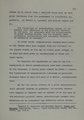
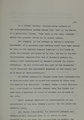
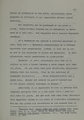
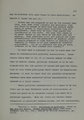
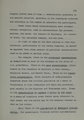
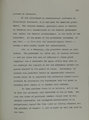
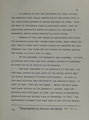
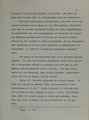
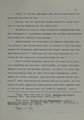
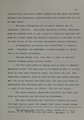
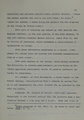
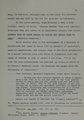
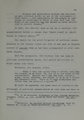
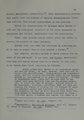
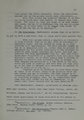
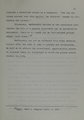
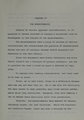
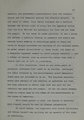
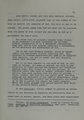
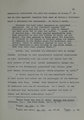
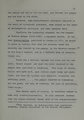
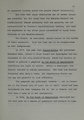
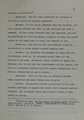
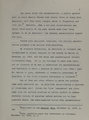
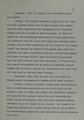
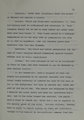
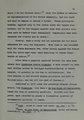
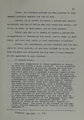
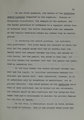
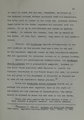
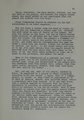
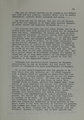
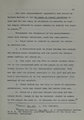
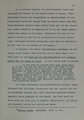
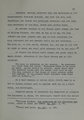
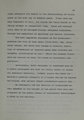
Show 84 The law of nature teaches us to preserve and defend our life and our liberty, without which life is hardly worthwhile, against every violence and wrong. . . . As thus the law of nature, for all law of nations, _and civil law command us to take arms against tyrants, no other reason can proPerly dissuade us. . . . All princes are born men and their reason can be as little made free from passion as a mind can be separated from the body. Therefore, we should not hepe to have only perfect princes; we should rather deem ourselves fortunate if we find mediocre ones. If in certain cases the prince does not observe moderation, if now and then he does not yield to reason, if he looks carelessly to the public welfare, if he becomes less diligent in administration of justice or less zealous in avoiding of war, he must not forthwith be called a tyrant. For he rules as not man over beast or God over man, but as a man born of the same condition as other men. And as a prince would be considered arrogant who sought to abuse men as if they were beasts, so the people are unjust if they expect a God in a prince or look for divinity in his imperfect nature. . . . Although his (tyranny) might rightly be deposed, nevertheless he can be endured; but the longer the tyrant is tolerated the more insufferable he becomes. It is not always eXpedient for the peeple to do that which they may lawfully do. It often happens that a remedy which is applied is worse than the dis- ease. So it becomes prudent for man to try all means before taking up the sword. If those who represent the peoPle perceive that any thing is being done, through force or fraud, against the common weal, they should at once admonish the prince, not waiting until the evil becomes graver and acquires great strength. For tyranny is like a hectic fever, which, at first easily cured but detected with difficulty, later becomes easy recognizable but almost incurable. Therefore, the representatives should withstand the prince, and should not suffer the smallest beginning of tyranny to be made. If the prince persists in . his tyrannous course, and, though often adminished, does not reform but endeavors to bring matters to the point where he may with impunity do whatever he pleases, then indeed the crime of tyranny is complete, and whatever may be done, through the law or through just resistance, against a tyrant, may be done against him. |