| OCR Text |
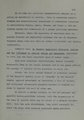
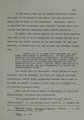
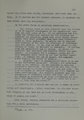
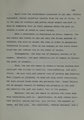
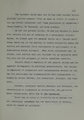
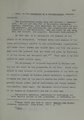
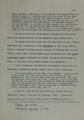
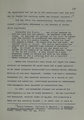
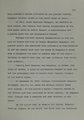
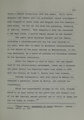
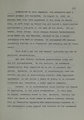
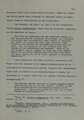
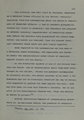
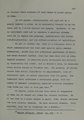
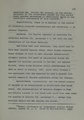
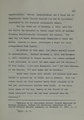
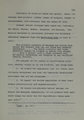
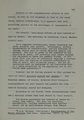
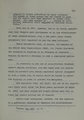
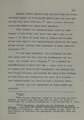
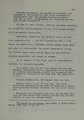
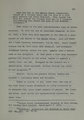
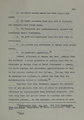
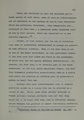
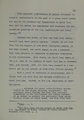
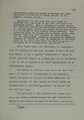
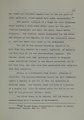
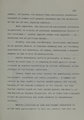
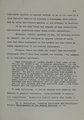
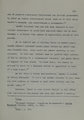
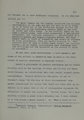
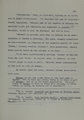
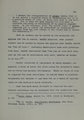
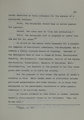
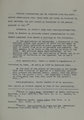
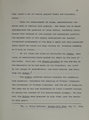
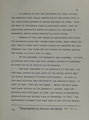
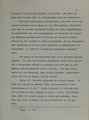
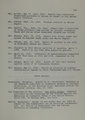
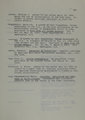
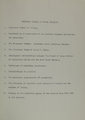
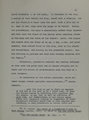
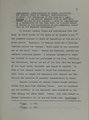
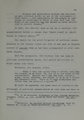
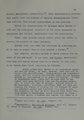
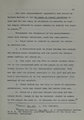
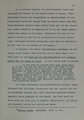
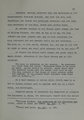
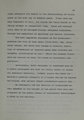
Show 257 defect, considering that repetition is an effective prOpaganda technique. This being the case, no examination of Gand hi's philos- ophy is complete without some knowledge of his spec ific techniques for passive resistance. These techniques never were compiled into a handbook for the conduct of a mass campaign of passive resis tance. However, Joan V. Bondurant of the University of Californ ia at Berkeley has pulled together from various sources what has be- come a widely-quoted set of rules and procedures for such a campaign, based of course on Gandhi's words and needs. Those rules and procedures are as follows: Fundamental Rules12 1. Self-reliance at all times. Outside aid may, in the proper circumstances, be accepted, but should never be counted upon. 2. Initiative in the hands of the satyagrahis. Through continuous assessment of the conflict situation satyagrahis (those practicing passive resistance)should, -by means of constructive efforts where possible, by positive resistance where indicated, or by the tactics of persuasion and adjustment, press the movement ever forward. 3. Propagation of the objectivengstrategy and tactics of the campaign. Propaganda must be made an integral part of the movement. Education of the opponent, the public, and participants must continue apace. VIZN. K. Bose, Studies in Gandhism (Calcutta: Associated Publishing Co., 1947, Bondurant, Conquest on Violence: Conflict (Berkeley: pp. 38‘9. Indian 2nd ed.), p. 175, cited by The Gandhian Philosophy of university of California Press, 1965), |