| OCR Text |
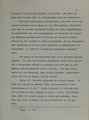
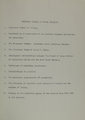
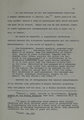
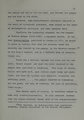
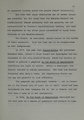
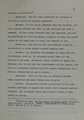
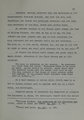
Show 258 4. Redu ction of demands to a minimum consiste nt with truth. Continuing reassessment of the situation and the objectives with a view to possible adjustme nt of demands is essential. 5. Pro ressive advancement of the movement thro ugh steps and stages determined to be appropri ate within the given situation. Decision as to when to proceed to‘a further phase of the satyagraha (passive resi stance) must be carefully weighed in the light of the ever-changing circumstance, but a static condition must be avoided. However, direct action is to be launched only after all other efforts to achieve an honorable settlement have been exhausted. 6. Examination of weaknesses within the satyagraha group. The morale and discipline of the satyagrahis must be maintained through active awareness (by members and leaders alike) of any development of impatience, dis= couragement, 7. or breakdown of non-violent attitude. Persistent search for avenues of cooperation with the adversary on honorable terms. Every effort should be made to win over the opponent by helping him (where this is consistent with the satyagrahi's true objectives) thereby demonstrating sincerity to achieve an agreement with, rather than a triumph over, the adversary. 8. Refusal to surrender essentials in negotiation. Satyagraha excludes all compromise which affects basic principles or essential portions of valid objectives. Care must be exercised not to engage in bargaining or barter. 9. Insistence upon full agreement on fundamentals before accepting a settlement. Code of Discipline13 l. Harbor no anger but suffer the anger of the opponent. Refuse to return the assaults of the opponent. 2. Do not submit to any order given in anger, even though severe punishment is threatened for disobeying. " 7 131n 1930, Gandhi laid down this code, which is re- ported by D. G. Tendulkar in Mahatma, vol. III (Bombay; Jhaveri and Tendulkar, 1952), p» 17 and cited by Bondurant, ib;§., pp. 39-40. |