| OCR Text |
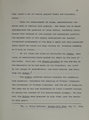
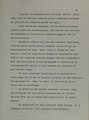
Show 255 declared that the man who wishes to change the state must cease to cooperate with it. vice, police service, How? By refusing military ser~ jury service, payment of taxes, and the like.7 Refusal to obey -- with its obvious anarchistic tendencies, as will be further discussed later -- was nothing new to Indians, who carried it to the point of inflicting suffering upon themselves. To this day in India, a man who has been wronged by a neighbor will sit before the neighbor's door and starve himself to death if necessary. fices, Usually, only the threat suf- because if the victim died his ghost would haunt the wrongdoer.8 Brahmans traditionally have used fasting, self-injury, or even suicide as a means of resisting Oppression by drawing upon the oppressor the supernatural sanctions of having caused the death of a Brahman.9 The same technique is used even in the homes of India as a means of family discipline. protest by refusing to eat. 7George Wbodcock, When Indian journals publish Anarchism: Ideas and Mbvements (Cleveland: 1962)! p0 Members of the family express A History of Libertarian The Wbrld Publishing Co., 233. 8H.N. Brailsford, Op. cit:, 9Susanne Hoeber Rudolph, p. 10. "The New Courage: An Essay on Gandhi's Psychology," Wbrld Politics (October, 1963), p. 114. |