| OCR Text |
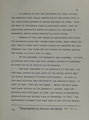
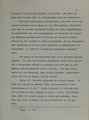
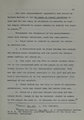
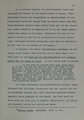
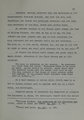
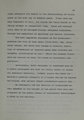
Show 159 for their country; those who rebelled were also justified in that they were attempting to overthrow a criminal re- gime. It is significant, however, the attempted coup of July 20, in West Germany of today. versary of that occasion, that the anniversary of 1944, does not pass unnoticed In 1964, on the twentieth anni- German Ambassador Heinrich Knappu stein delivered a twentyaminute Speech before the staff of the German Embassy in washington, D.C. Because his address summarizes the mature thinking of a nation that has come to terms with an extremely unhappy episode in its history, an episode that is central to the development of the philosoa phies attendant to political assassination, consider those remarks in their entirety, it is well to as follows. Twenty years have passed since Colonel Klaus von Stauffenberg set a bomb in the Fuehrervs headquarters in East Prussia. The purpose of the bomb was to strike at the very core of the evil which ruled Germany at the time and to destroy it. Stauffenberg was not an eccentric outsider with an insane impulse as was the case here in the United States nearly a year ago.16 Far from being such, he was Spurred by a conscience which could no longer bear Germany's shame and he acted on behalf of his friends who had sworn to put an end to the wickedness which had gained power over Germany. He acted in the charge of a better Germany, the Germany of Kant and Fichte, Schiller and Goethe, Bach and Beethoven. the enduring Germany. He acted for The attempt failed and thus Germany was forced to drink the bitter cup of war and destruction to the 16Knappstein was, of course, referring to the assas- sination of President Kennedy by Lee Harvey Oswald. |