| OCR Text |
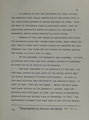
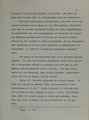
Show 171 Two centuries later some of Ibn Sinavs notions on political assassination were echoed in the writings of an African Muslim named Ibn Khaldun (1332-1406). Evidently the closest brush Ibn Khaldun personally had with actual assassination was with that of his master, a Hafside prince whom he served as First Minister and whose death cost Ibn Khaldun his office through no fault of his own, Starting from the premise that force and power are necessary for the realization of any ideal, Ibn Khaldun declared that God demands rebellion against tyranny «a but only of those who have the power to overthrow it. "He among you who sees something diSpleasing to Allah, must change it by force, if he is unable by his word; but if not even that, then at least in his heart," he declared. "Only a strong attack, backed by the united action (Asabiya) of tribes and clans, can remove rulers and destroy the edifice of their states which are firmly established.n3 To this day, assassins in Iran still commonly cite nreligious conviction" as the motivation for their deeds.4 31bid., p. 97. 4The most recent example is the nineteen-year-old assailant who on January 21, 1965, fired two bullets into the throat of Premier Hassan Ali Mansur and who under questioning would say nothing except that he did it because it was "my religious conviction." |